

Your Guide to Planning Coastal Escapes in 2026
Ready for your 2026 getaway? Get expert tips for planning coastal escapes, from finding hidden coastal gems to using sustainable travel tips for a memorable trip.

There is a timeless pull to the sea, a call that resonates deep within us. It promises renewal, adventure, and a connection to something vast and elemental. As you look toward the horizon of a new year, finding the right coastal travel inspiration is the first step toward turning that feeling into a tangible journey. The art of planning coastal escapes begins not with booking flights, but with a moment of quiet intention. Before you search for 2026 travel ideas, ask yourself what you truly seek from the shore.
First Steps in Planning Coastal Escapes
The most memorable trips are those that align with our inner desires. Do you envision the lively energy of a sun-drenched boardwalk, with the sounds of music and laughter filling the air? Or does your mind drift to a quiet, secluded cove where the only soundtrack is the gentle rhythm of the waves? Understanding this fundamental preference is the compass that will guide all your other decisions. One person’s vibrant paradise is another’s overwhelming scene, so defining your ideal atmosphere is essential.
Consider travelling during the shoulder seasons, such as May or September. This choice offers more than just a lighter impact on your budget. It provides a more authentic experience, where you can enjoy pleasant weather and landscapes free from the peak season crowds. The local rhythm is calmer, and you have more space to breathe and connect with your surroundings. Another practical consideration is your travel radius. For shorter getaways, choosing a destination within a two to four hour journey minimizes transit stress and maximizes time spent with your toes in the sand. To find fresh inspiration, look beyond mainstream travel sites. Explore niche travel blogs and specific social media tags to uncover emerging destinations before they become widely known.
| Factor | Vibrant, Activity-Filled Shoreline | Secluded, Tranquil Beach |
|---|---|---|
| Atmosphere | Energetic, social, bustling | Peaceful, private, restorative |
| Typical Activities | Water sports, beach bars, markets, festivals | Reading, swimming, walking, quiet reflection |
| Best For | Social travellers, families, adventure seekers | Couples, solo travellers, digital detoxers |
| Pacing | Fast-paced with many options | Slow and unstructured |
Crafting Your Itinerary and Finding a Stay

With a destination in mind, the focus shifts from the ‘where’ to the ‘how’. Building a flexible itinerary and choosing meaningful accommodation are the cornerstones of a restorative trip. Instead of a rigid, hour by hour schedule, try a ‘role-based’ approach to your plan. Assign purposes to different locations you wish to visit. You might designate a main beach for sunbathing, a picturesque cove for photography, and a sheltered bay as your backup for windy days. This method builds adaptability into your journey, allowing you to respond to weather and mood without feeling like you have fallen off schedule.
When it comes to accommodation, seek out locally-owned properties. The experience offered by a boutique guesthouse or a family-run inn extends far beyond a place to sleep. It is an invitation into the local culture. Conversations with hosts who are passionate about their home can lead to invaluable recommendations, and the unique character of these stays adds a layer of authenticity to your trip. It is vital to balance planned activities with the freedom for spontaneous discovery. Leave large blocks of your day open for wandering through village streets or following a local tip to a hidden cafe. For your 2026 travel ideas, remember that the most unique stays get booked quickly. Aim to reserve your spot six to nine months in advance, especially if you are targeting popular shoulder season dates.
Discovering Hidden Coastal Gems and Local Life
The true spirit of coastal exploration lies in looking beyond the postcard views and discovering the lifeblood of a place. Finding hidden coastal gems requires a curious and respectful mindset. Before you even arrive, use satellite map views to scan the coastline for unlisted coves or small beaches accessible only by footpaths. Once there, let curiosity be your guide. Strike up a conversation with a local shopkeeper or follow a trail leading away from the main tourist areas. These small acts of exploration often lead to the most memorable discoveries.
Syncing with the ‘local rhythm’ is key to a deeper connection. This means respecting local customs, like afternoon siesta hours when many shops may close, and embracing the pace of life. When searching for authentic food, look for eateries that are bustling with residents rather than tourists. The best meals are often found in places that specialize in just one or two local dishes, prepared with ingredients sourced directly from that morning’s market or catch. Instead of joining a crowded boat tour, consider lower-impact activities that offer a more personal experience. Renting a kayak allows for independent exploration of the shoreline, while a guided coastal walk with a local naturalist can reveal fascinating details about the region’s unique ecosystem and history.
Sustainable Travel Tips for Protecting Our Coasts
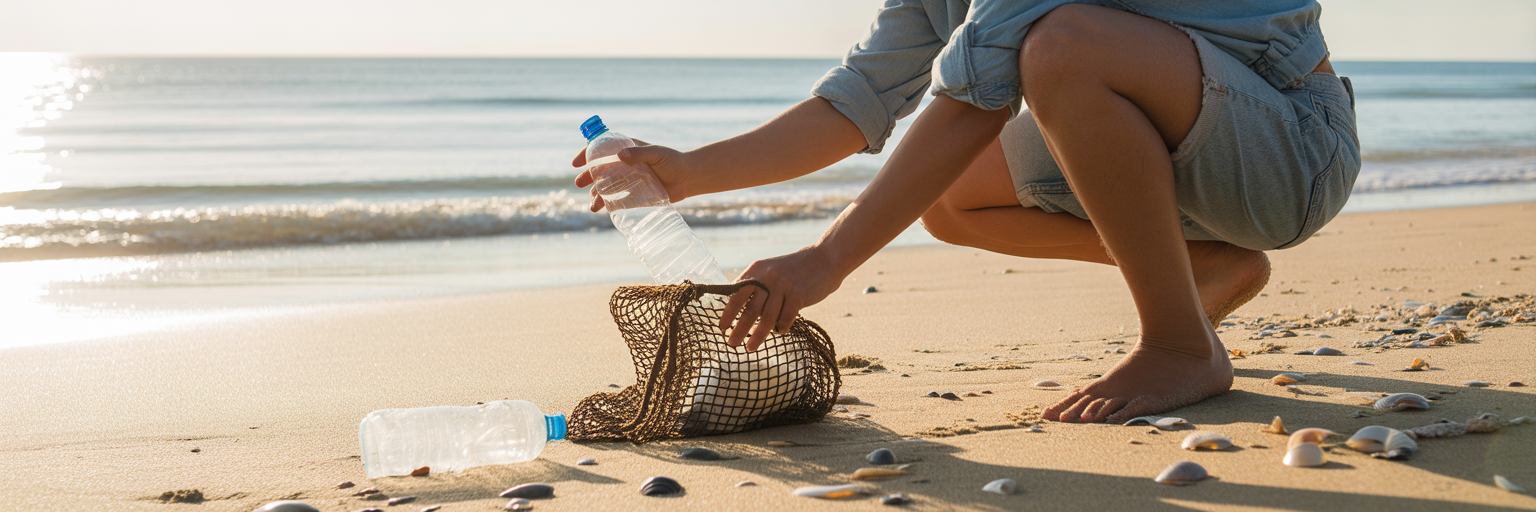
Our love for the ocean comes with a shared responsibility to protect it. Integrating sustainable practices into your travels is not about restriction, but about making conscious choices that preserve the beauty you have come to experience. These simple sustainable travel tips empower you to leave a positive mark.
- Practice the ‘Pack In, Pack Out’ Rule. This principle is simple: whatever you bring to the beach must leave with you. This includes organic waste like fruit peels or cores, which can take a long time to decompose and disrupt the delicate local ecosystem and attract pests.
- Choose Reef-Safe Sunscreen. Many conventional sunscreens contain chemicals like oxybenzone and octinoxate, which are known to cause coral bleaching and harm marine life. Make an impactful switch by choosing mineral-based alternatives that use zinc oxide or titanium dioxide as their active ingredients.
- Eliminate Single-Use Plastics. The most effective way to combat ocean plastic pollution is to avoid creating the waste in the first place. Pack a reusable kit containing a water bottle, a coffee cup, a shopping bag, and food containers. This simple habit significantly reduces your footprint.
- Engage in Responsible Wildlife Viewing. The presence of wildlife is a privilege. Always maintain a respectful distance, never feed wild animals, and use binoculars for a closer look. Research local nesting seasons for sea turtles or coastal birds to ensure your presence does not cause a disturbance.
Packing Smart for Your Coastal Journey
Thoughtful packing can significantly enhance your coastal experience, ensuring you are prepared for both relaxation and adventure. The key is to focus on versatility and function, not just quantity. Coastal weather is famously changeable, so a smart layering system is your best defence against an unexpected sea breeze or a sudden drop in temperature.
- Pack Versatile Layers: Instead of bulky sweaters, opt for lightweight, breathable items that can be easily added or removed. A packable windbreaker, a thin fleece, and a few quick-drying shirts will prepare you for almost any condition the coast throws at you.
- Bring Essential Gear Beyond Clothes: Your adventure kit should include more than just apparel. Sturdy footwear that can handle both sandy shores and rocky coastal trails is a must. A waterproof dry bag is invaluable for protecting your phone and camera near the water, and a basic first-aid kit can handle minor scrapes or blisters.
- Assemble a Zero-Waste Beach Kit: Reinforce your commitment to sustainability by pre-packing a dedicated kit. Include your reef-safe sunscreen, a reusable water bottle, stainless steel straws, and a set of cloth napkins to minimize waste during your beach days and picnics.
- Organize Your Vehicle for Road Trips: If you are travelling by car, a little organization goes a long way. Create designated zones for wet gear like towels and swimwear, dry clothes, and food supplies. This simple system keeps your car tidy and reduces the stress of finding what you need on multi-stop journeys.
Embracing the Spirit of a Perfect Getaway

Ultimately, a perfect coastal escape is a thoughtful blend of careful planning and a willingness to embrace the unexpected. The itinerary you craft is a guide, not a script. True fulfillment is often found in the moments you did not plan for, so hold your schedule loosely and remain open to adventure. This is your opportunity to practice a digital detox. Set aside specific times to put your devices away and fully immerse yourself in the world around you. Let your senses take over.
This trip is more than just a vacation. It is a chance to build sustainable habits, like reducing your plastic use or being more mindful of your consumption, that you can carry back into your daily life. As you plan your journey, remember that the best coastal travel inspiration comes from within. Focus on collecting sensory memories. Listen to the sound of the waves crashing on the shore, breathe in the scent of salt on the air, and feel the warmth of the sun on your skin. These are the moments that truly restore the soul and define a perfect escape.