Ultimate Southeast Asia Travel Guide: Best Places to Visit in 2026
Introduction
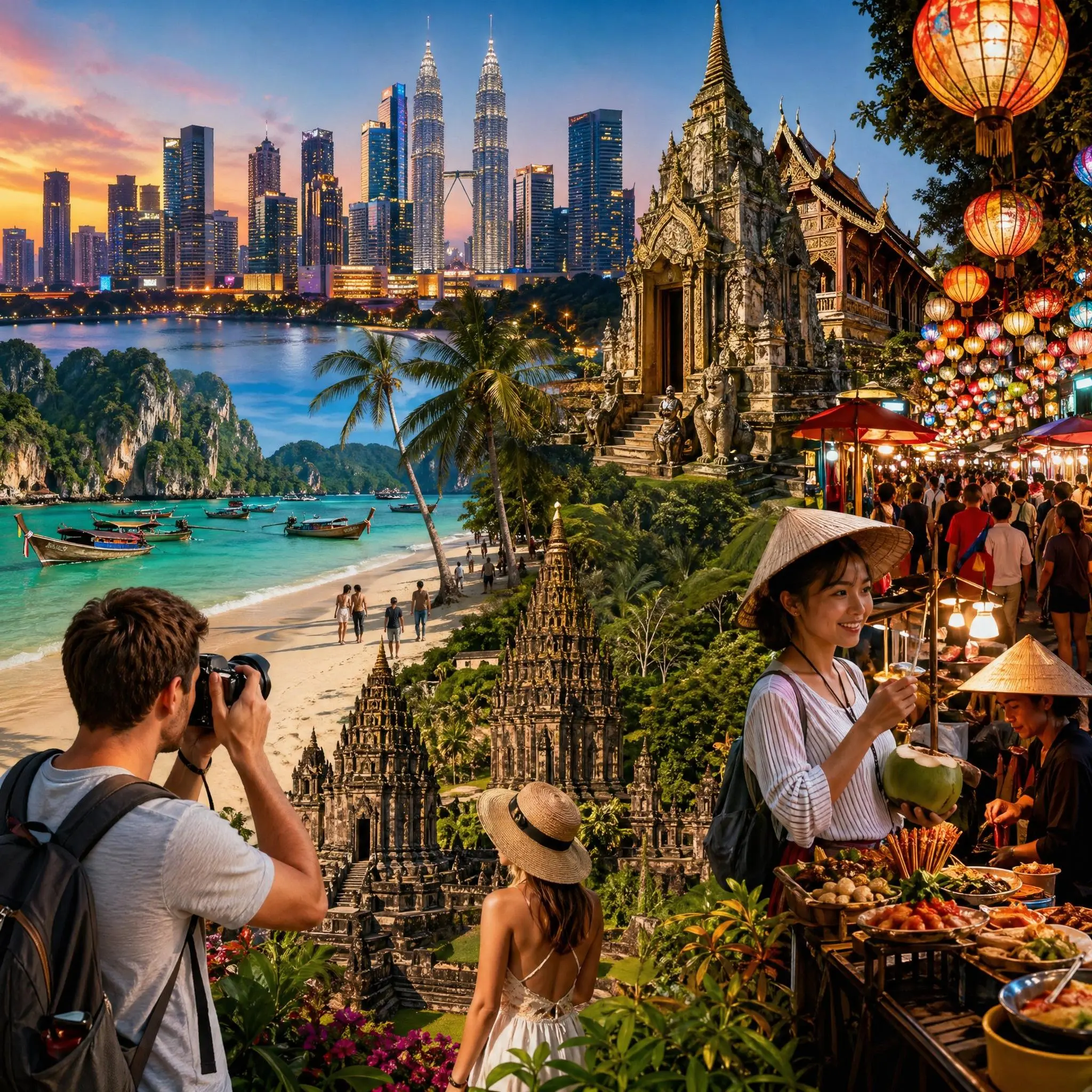
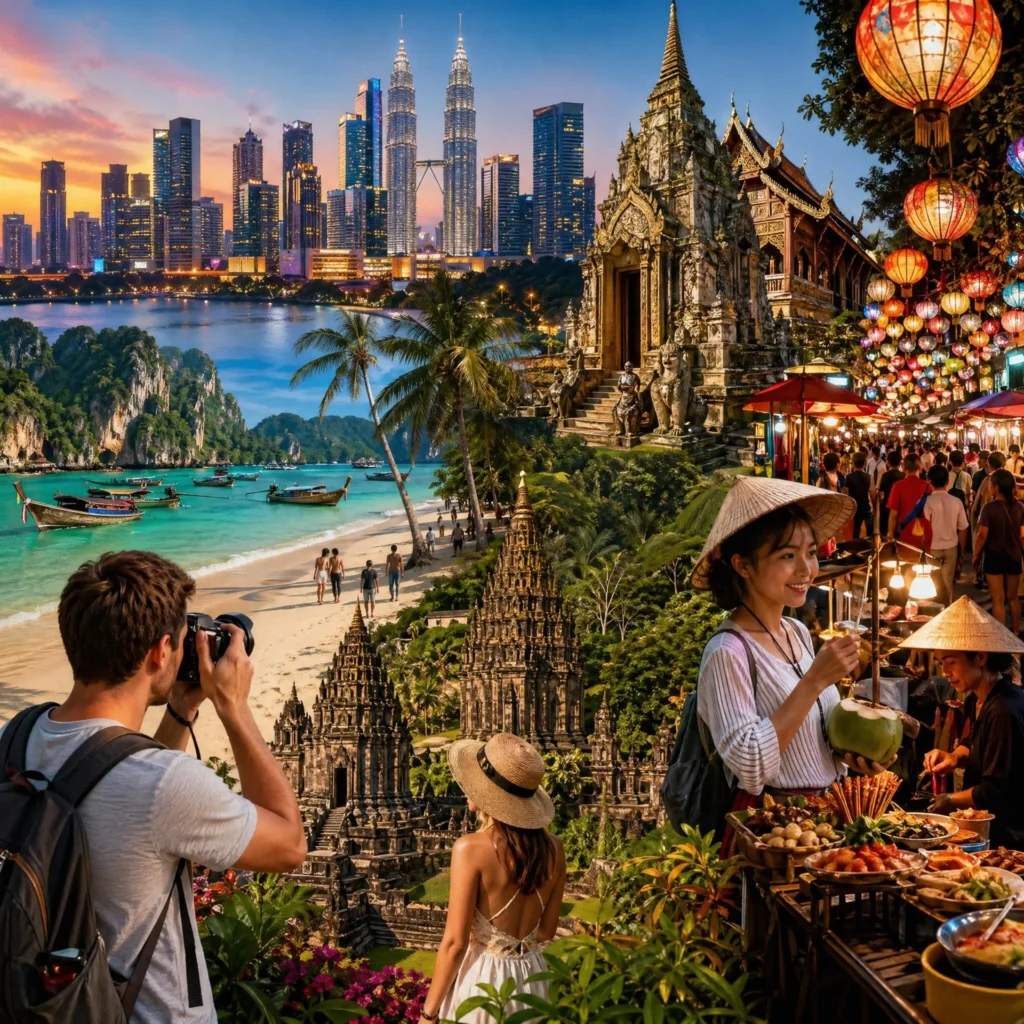
Ask any traveler what region calls them back again and again, and chances are they’ll say Southeast Asia. In 2026, the magic is stronger than ever — new flight routes, better infrastructure, and a renewed focus on sustainable tourism. Whether you’re planning your first trip or your tenth, this Asia travel guide 2026 will walk you through the must-see destinations, local secrets, and practical know-how. Consider it your new best friend in digital form — a Southeast Asia travel guide 2026 that actually tells you what’s worth your time (and what’s not). Ready to discover the best places to visit in Southeast Asia this year? Let’s dive in.
Why Southeast Asia is perfect in 2026
You might think, “Southeast Asia has always been popular — what’s different about 2026?” Fair question. Several recent shifts make this year uniquely rewarding for travelers.
Connectivity has exploded. In the past 18 months, new direct flights have launched between secondary cities. For example, you can now fly nonstop from Da Nang (Vietnam) to Siem Reap (Cambodia), skipping long bus rides. Similarly, the China-Laos railway now connects to Thailand’s network, making overland travel from Kunming to Bangkok seamless. This means less time in transit and more time exploring.
Tourism is finally balancing out. Popular spots like Phi Phi Islands and Boracay have implemented strict visitor caps. The result? Fewer crowds, cleaner beaches, and a more relaxed vibe. Meanwhile, lesser-known regions have invested in tourism infrastructure — think better roads, reliable Wi-Fi, and English-friendly signage.
The digital nomad wave has settled. Co-working spaces and long-stay visas are now commonplace. Countries like Thailand, Malaysia, and Indonesia offer 6–12 month digital nomad visas with reasonable requirements. So if you want to travel Southeast Asia while working remotely, 2026 is the sweet spot.
Prices are still a steal. Despite global inflation, Southeast Asia remains one of the world’s most affordable regions. A comfortable guesthouse costs $, a full meal with drinks runs $3–6$, and local transport is often under $1 per ride. Your dollar (or euro) goes far — especially if you avoid the most touristy traps.
In short, 2026 offers the perfect blend of improved infrastructure, crowd management, and affordability. There’s never been a better time to explore.
Best Countries to Visit
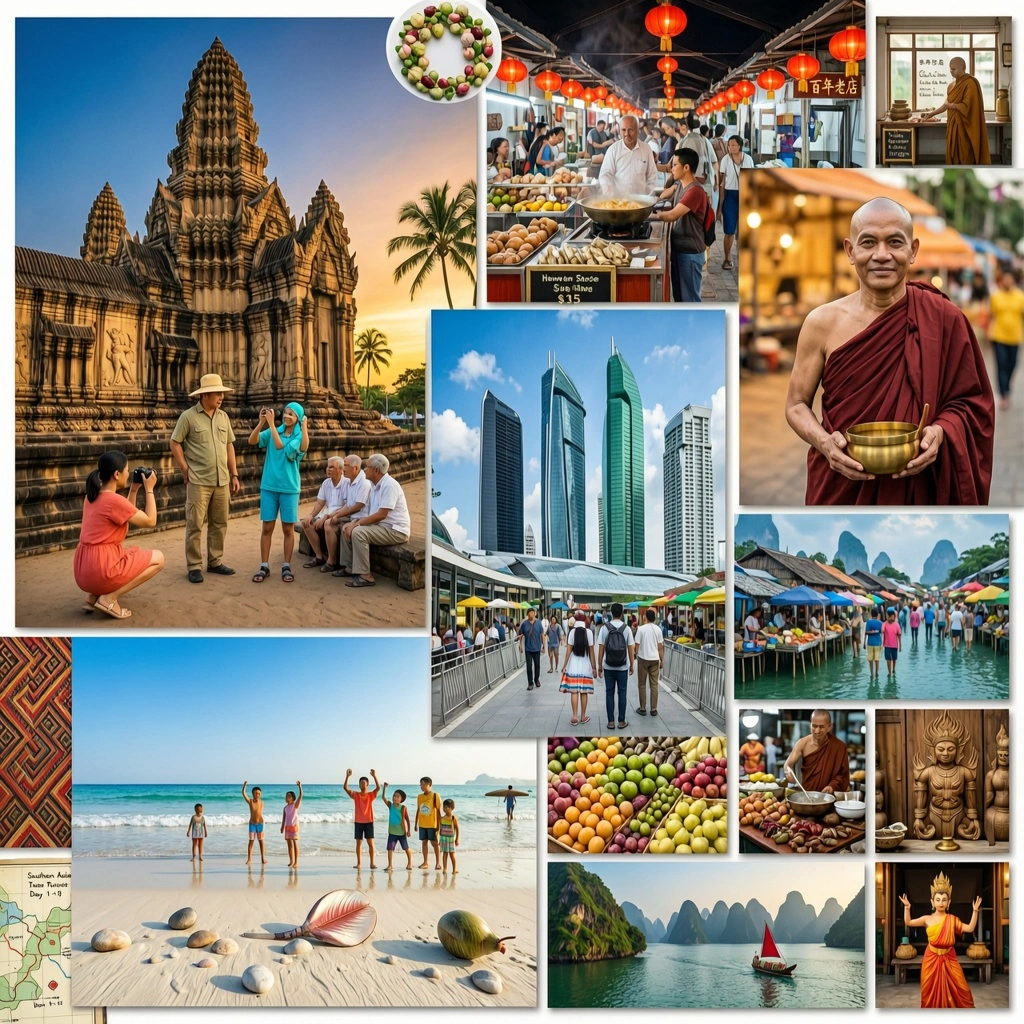
Let’s be practical. You can’t see everything in one trip, so here are five standout countries that should be on your radar.
Thailand: The All-Rounder
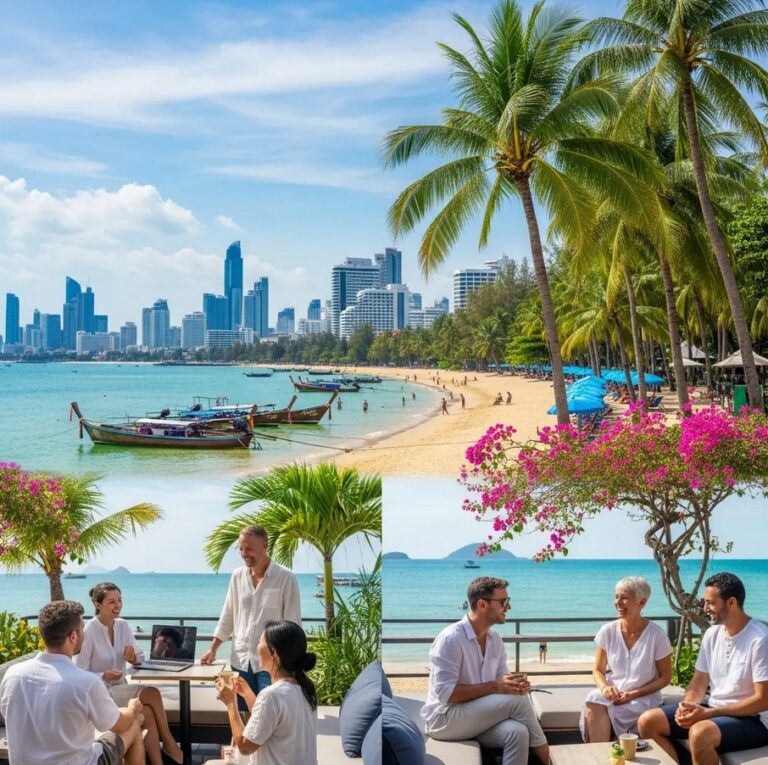
Thailand remains the king of Southeast Asian travel for good reason. It’s safe, easy to navigate, and packed with variety. Start in Bangkok for dizzying markets and rooftop bars. Then head north to Chiang Mai for temple-studded mountains and ethical elephant sanctuaries. Alternatively, go south to Krabi or Koh Lanta for limestone cliffs and turquoise water. 2026 update: The new high-speed ferry from Bangkok to Pattaya (90 minutes) makes a beach weekend effortless.
Vietnam: The Food Lover’s Paradise
Vietnam steals hearts with its chaotic charm and unforgettable cuisine. Hanoi offers centuries-old architecture and egg coffee. Hoi An glows with lanterns and serves the world’s best cao lau noodles. Ho Chi Minh City never sleeps, with its rooftop bars and war history museums. Pro tip: Take the Reunification Express train from Hanoi to Hue — the coastal views are jaw-dropping, and it’s cheaper than flying.
Indonesia: Beyond Bali
Bali is wonderful, but Indonesia is enormous. Java holds Borobudur (the world’s largest Buddhist temple) and Mount Bromo (an active volcano you can hike at sunrise). Flores offers pink beaches and Komodo dragons. Sulawesi has the surreal Tana Toraja region with its cliffside graves. Mistake to avoid: Don’t try to see too much. Indonesia is roughly the size of Europe. Pick 2–3 islands and slow down.
Malaysia: The Underrated Gem
Malaysia often gets skipped — and that’s a shame. Kuala Lumpur dazzles with the Petronas Towers and street food that rivals Singapore’s at half the price. The Cameron Highlands offers cool tea plantations and strawberry farms. The Perhentian Islands have some of the world’s clearest water. Plus, English is widely spoken, making logistics a breeze.
Cambodia: History & Heart
Many visitors come for Angkor Wat, and yes, it’s extraordinary. But Cambodia offers so much more. Phnom Penh has sobering genocide museums and a revitalized riverside. Battambang surprises with French colonial architecture and a bamboo train. And the southern islands like Koh Rong deliver backpacker beach vibes without the high prices of Thailand.
Top Cities for Food, Culture & Nightlife
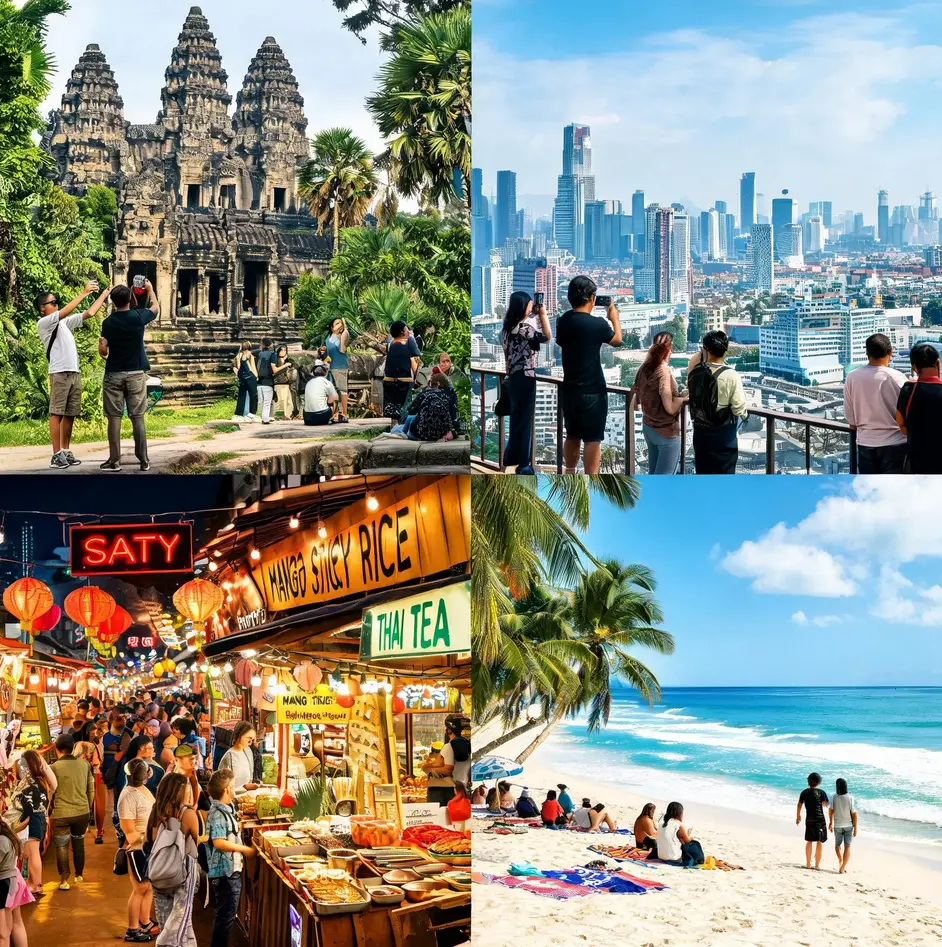
If you love eating your way through a trip, these cities will feel like heaven.
Bangkok, Thailand
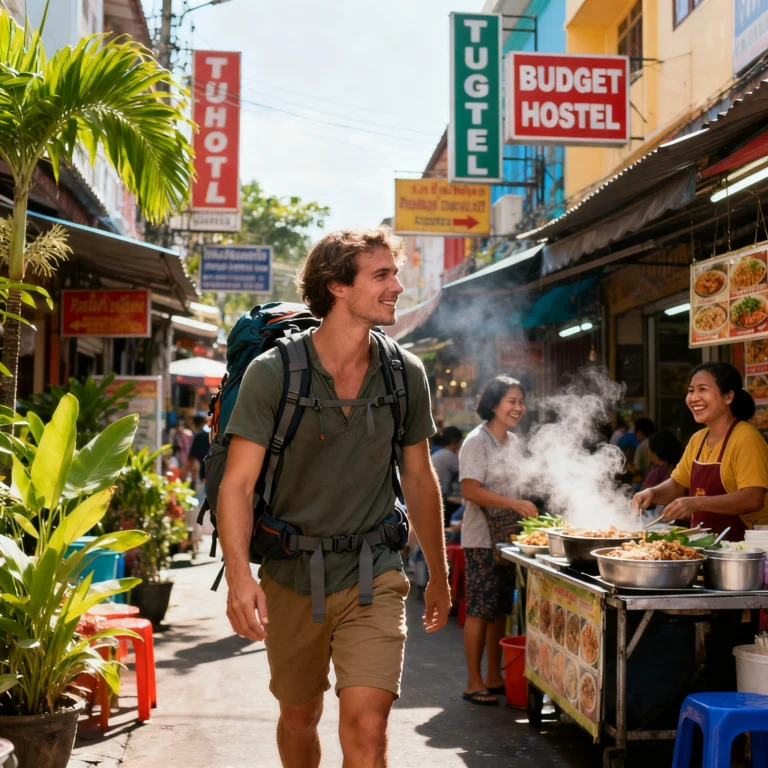
Bangkok is a street food capital. Head to Chinatown (Yaowarat) after dark for crispy pork belly, mango sticky rice, and grilled prawns. For culture, Wat Arun at sunset is magical. Nightlife ranges from sky-high rooftop bars (Tichuca, Mahanakhon) to underground jazz clubs (Saxophone Pub). Statistic: Bangkok has over 50,000 street food vendors — you could eat a different dish every day for a decade.
Singapore
Singapore is expensive, but its hawker centers are not. Maxwell Food Centre serves Michelin-starred chicken rice for $3. For culture, wander Little India and Chinatown (both authentic and vibrant). Nightlife? Marina Bay Sands rooftop pool (day pass available) or Clark Quay for riverside bars. Insider tip: The Gardens by the Bay light show is free and spectacular — showtimes at 7:45 PM and 8:45 PM.
Hoi An, Vietnam
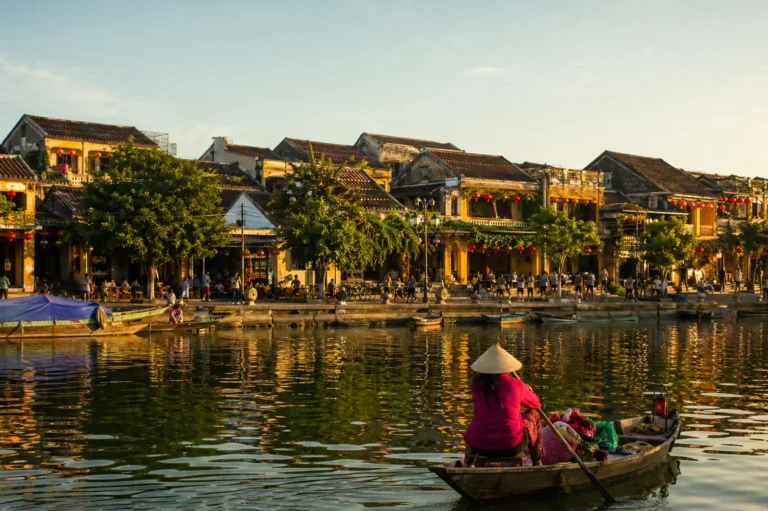
Hoi An is a living postcard. Its ancient town glows with lanterns on the 14th of every lunar month. Food highlights: banh mi from Madam Khanh (the “Queen of Banh Mi”) and white rose dumplings unique to the city. For nightlife, skip the loud bars and take a lantern-lit boat ride on the Thu Bon River instead. It’s romantic and peaceful.
Luang Prabang, Laos
This UNESCO town moves at a meditative pace. Mornings begin with the alms-giving ceremony where monks collect sticky rice. Culture lovers shouldn’t miss the Royal Palace Museum and Wat Xieng Thong. Nightlife is quiet — think a few expat bars and night market shopping. Best practice: Wake up for sunset on Mount Phousi — the 360° view over the Mekong is worth the 355 steps.
Stunning Beaches & Islands
Sun, sand, and sea — it’s what many imagine when they picture Southeast Asia. Here’s where to find the real magic.
Railay Beach, Thailand
Railay is cut off from the mainland by limestone cliffs. The main beach is lovely, but walk ten minutes to Phra Nang Cave Beach for emerald water and a dramatic cave shrine. Mistake to avoid: Don’t stay in Ao Nang and day-trip — it gets packed by 10 AM. Book one of the bungalows on Railay East (cheaper) and enjoy sunset in solitude.
Koh Rong Sanloem, Cambodia
Forget the party island of Koh Rong. Sanloem is its sleepy cousin. Saracen Bay offers calm swimming and mid-range bungalows. Sunset Beach is rustic with no electricity after 10 PM — just candlelight, hammocks, and bioluminescent plankton. Pro tip: Bring a headlamp, mosquito repellent, and cash. There are no ATMs.
Pulau Perhentian Kecil, Malaysia
The Perhentian Islands are postcard-perfect: crystal-clear water, jungle interiors, and no roads. Kecil is the backpacker side with budget huts. Snorkelling trips cost 10$ – 15$ and include sea turtles, sharks(harmless reef sharks), and colorful coral.
2026 updates: The islands now have a compulsory marine conservarion fee of 5 MYR (It goes directly to reef protection)
El Nido, Palawan, Philippines
El Nido’s lagoons and limestone karsts are world-famous — for good reason. Take Tour A (Big Lagoon, Secret Lagoon) for the classic postcard shots. Mistake to avoid: Don’t book the cheapest boat tour. Pay 5$ more for a smaller boat with fewer passengers. You’ll enjoy the lagoons without feeling like a sardine. Also, stay in Corong Corong (10 minutes from town) for quieter beaches.
Hidden Gems to Add to Your Itinerary
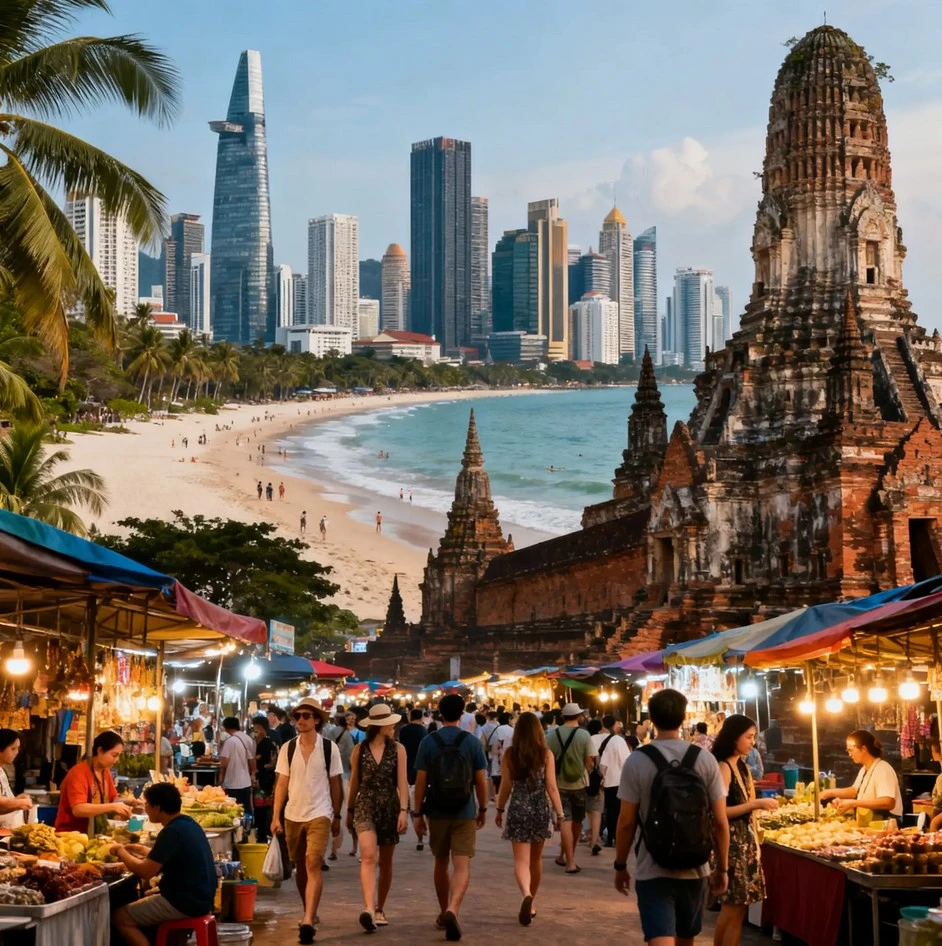
Want to escape the crowds entirely? These off-the-radar spots are the best places to visit in Southeast Asia for adventurous souls.
Nong Khiaw, Laos
Tucked between limestone karsts and the Nam Ou River, Nong Khiaw feels like a secret. Hike to the 100 Waterfalls viewpoint (steep but rewarding), kayak through misty valleys, and stay in a simple guesthouse for 12$ a night. Mistake to avoid: Don’t skip the Pha Kuang Cave trek — it’s a 45-minute uphill, but the cave was used as a bunker during the Secret War. Hire a local guide for stories you won’t find in guidebooks.
Kampot Highlands, Cambodia
Everyone knows Kampot town for its riverfront and pepper crabs. But drive 30 minutes inland to Bokor National Park and you’ll find abandoned French colonial villas, a creepy empty casino, and cool mountain air. Best practice: Rent a car with a driver (about $30 for half a day) instead of a motorbike. The road is steep, foggy, and has sharp curves — not for beginners.
Pulau Derawan, Indonesia
Forget Raja Ampat’s 300 live abroads. Derawan is a remote archipelago og Borneo. Swim with stingless jellyfish in Kakaban Lake, watch green turtles lay eggs on the beach, and stay in simple overwater bungalows for 40$ – 60$ a night.
2026 update: New flights from Balikpapan to Berau (the gateway) run daily, cutting travel time significantly. Go now before it becomes the next Maldives.
Si Phan Don (4000 Islands), Laos
This Mekong archipelago is about doing nothing. Stay on Don Det or Don Khon, rent a bicycle for $2 a day, and explore waterfalls, old French train tracks, and dolphin spotting. There are no ATMs, no fast Wi-Fi, and no rush. Pro tip: Stay on Don Khon if you want fewer backpackers (it’s quieter) and rent a bicycle to cross the old bridge to Don Det for dinner.
Budget & Travel Tips for 2026
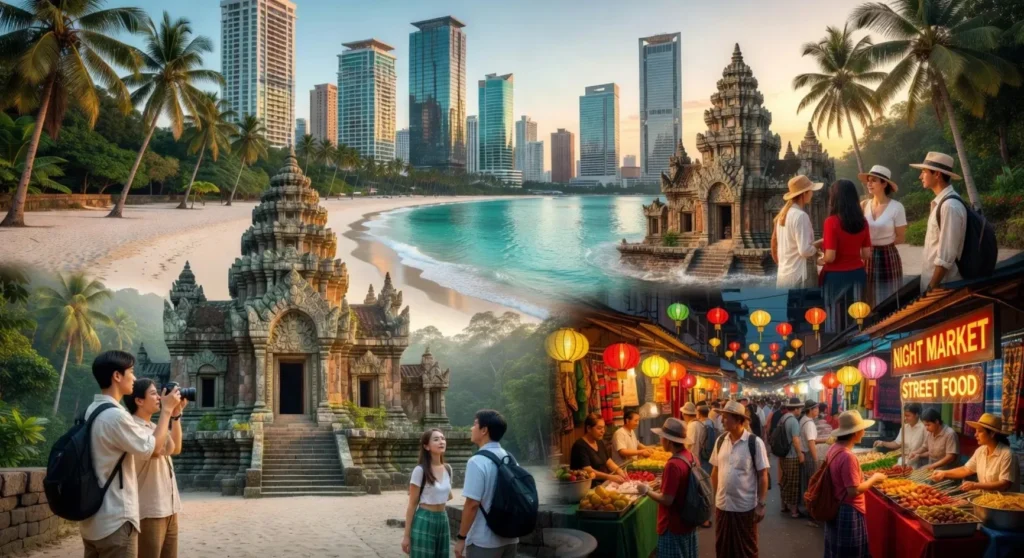
Let’s talk money and logistics — the stuff that actually makes your trip stress-free.
Daily Budget Estimates (per person)
| Style | Accommodation | Food | Transport & Activities | Total |
| Backpacker | $8–12 (dorm) | $5–8 (street food) | $5–10 | $18–30 |
| Mid-range | $20–35 (private room) | $12–20 (local restaurants) | $10–20 | $42–75 |
| Comfortable | $40–70 (boutique hotel) | $25–40 (nice dinners) | $25–50 | $90–160 |
Money-Saving Tips That Actually Work
- Use local ride-hailing apps. Grab (SEA-wide) and Gojek (Indonesia, Vietnam) are cheaper than taxis by 30–50%. Pay with card or cash.
- Eat at markets, not restaurants. A food court stall in Bangkok costs
6$.
- Book overnight trains and buses. You save a night’s accommodation and wake up at your next destination. Use 12Go.asia or Baolau for reliable booking.
- Get a local eSIM. Airalo and Nomad offer regional data plans (10GB for ~$15) that work across multiple countries. No more hunting for SIM cards at airports.
- Travel during shoulder season (May–June or September–October). Weather is still decent, prices drop by 20–40%, and crowds thin out noticeably.
Health, Safety & Cultural Norms
- Vaccinations: Hepatitis A, typhoid, and tetanus are recommended. Check the CDC or WHO for updates on Japanese encephalitis (rural areas).
- Water: Never drink tap water. Stick to bottled or filtered. In remote areas, bring a LifeStraw or purification tablets.
- Scooters: Only rent if you have a valid motorcycle license and experience. Southeast Asia has some of the world’s highest road fatality rates. Wear a helmet — always.
- Temples: Cover shoulders and knees. Remove shoes before entering. Don’t point your feet at Buddha statues.
- Emergency numbers: Save local tourist police numbers. Thailand: 1155, Vietnam: 113 (police) / 115 (ambulance), Cambodia: 117 (police) / 119 (ambulance).
Frequently Asked Questions
1. What is the best time to travel Southeast Asia in 2026?
Generally, November to February offers the driest and most comfortable weather across Thailand, Vietnam, Cambodia, Laos, and Myanmar. March to May is hot (35–40°C) with haze from agricultural burning in the north. June to October is rainy season — but showers are often brief (1–2 hours in the afternoon), landscapes are lush, and prices are lowest. For 2026, El Niño is neutral, so even rainy season is manageable.
2. Do I need a visa for Southeast Asia in 2026?
It depends on your passport. Most Western passports get visa-free for 15–30 days in Thailand, Malaysia, Singapore, Philippines, and Indonesia. Vietnam and Cambodia require e-visas (apply online, ~$30, takes 3–5 business days). Laos offers visa on arrival at major airports and land borders (bring USD cash). Always check the official embassy website — never use third-party agencies.
3. How do I get around between countries?
The most efficient ways:
- Flights: AirAsia, VietJet, and Nok Air offer cheap flights ($30–80) between major cities.
- Buses: VIP buses are comfortable for routes like Bangkok to Siem Reap (6 hours) or Ho Chi Minh to Phnom Penh (6 hours).
- Trains: Thailand’s trains are scenic and cheap. The sleeper train from Bangkok to Chiang Mai is an experience.
- Boats: Ferries connect Malaysia to Indonesia (Medan) and Thailand to Laos (slow boat on Mekong).
Pro tip: Use Rome2Rio to compare all options and prices.
4. Is Southeast Asia safe for solo travelers, especially women?
Yes — Southeast Asia is one of the safest regions for solo travelers. Violent crime is very rare. Petty theft (bag snatching, phone grabbing) happens in crowded tourist spots, so stay aware. For solo women: trust your gut, avoid walking alone late at night in unfamiliar areas, and use Grab instead of street taxis after dark. Meet other travelers in hostels or on group tours (Klook, GetYourGuide) for added safety and company. Thousands of solo female travelers explore this region every year without incident.
Conclusion
Southeast Asia in 2026 is waiting — and it’s better than ever. From the chaotic charm of Bangkok to the serene waters of Pulau Derawan, the best places to visit in Southeast Asia offer something for every traveler. Whether you’re seeking adventure, relaxation, or the world’s best street food, this Asia travel guide 2026 has given you the tools to build your dream trip.
Remember: don’t overplan. Leave room for spontaneity. Some of the best memories happen when you follow a local’s recommendation or take an unexpected bus to a town you’ve never heard of.
So what’s your next move? Book that flight. Pack light. Use this Southeast Asia vacation guide as your starting point. And when you return (because you will return), come back and share your stories. The road is calling.
Ready to travel Southeast Asia? Drop your questions in the comments — I read every single one. Safe travels, and see you on the road.