Langkawi Unveiled: An Immersive Travel Guide to Malaysia’s Jewel of Legends
Introduction: The Whisper of Ancient Seas.
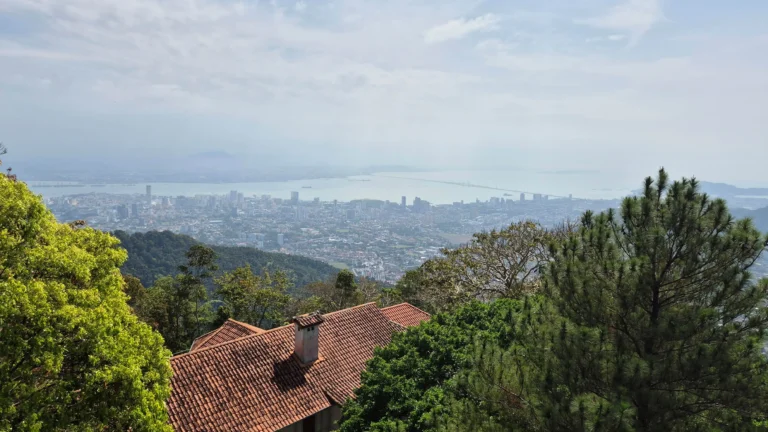
There’s a moment, just as the ferry begins to glide through the turquoise waters of the Andaman Sea, when the hazy outline of Langkawi materializes like a forgotten dream. Not as a single island, but an archipelago of 99 emerald isles, each cloaked in mist and myth. This is where my journey began—not just a vacation, but a plunge into a world where limestone cliffs rise from jungles, eagles dance on thermal winds, and every beach seems to hold a secret. Langkawi isn’t just a destination; it’s a feeling. A blend of raw natural beauty, rich Malay folklore, and a serene pace of life that untangles the tightest knots of modern stress. If you’re seeking a tropical escape that offers more than just a sunbed, where adventure and legend walk hand-in-hand, you’ve found your place.
Getting to Langkawi: Your Gateway to Paradise
Reaching Langkawi is part of the adventure. The island is well-connected, and your choice depends on your starting point and travel style.
By Air: Langkawi International Airport (LGK) is your most direct route. It’s served by domestic flights from Kuala Lumpur, Penang, and Johor Bahru, as well as seasonal international connections. I flew from Kuala Lumpur on a one-hour flight—a smooth, scenic hop that offered breathtaking aerial views of the islands. Budget airlines like AirAsia offer frequent, affordable fares, especially if booked in advance. Expect to pay between $30-$80 USD one-way.
By Sea: The romantic option. Ferries depart regularly from Kuala Perlis (a 1-hour journey, ~$4 USD) and Kuala Kedah (a 1.5-hour journey, ~$7 USD) on the mainland, as well as from Penang (a 2.5-hour journey, ~$18 USD). The ferry from Kuala Perlis was my choice for the departure—watching the islands recede into the sunset was magical. Tip: Sea conditions can be rough during the monsoon (see Best Time to Visit), so those prone to seasickness should opt for flights.
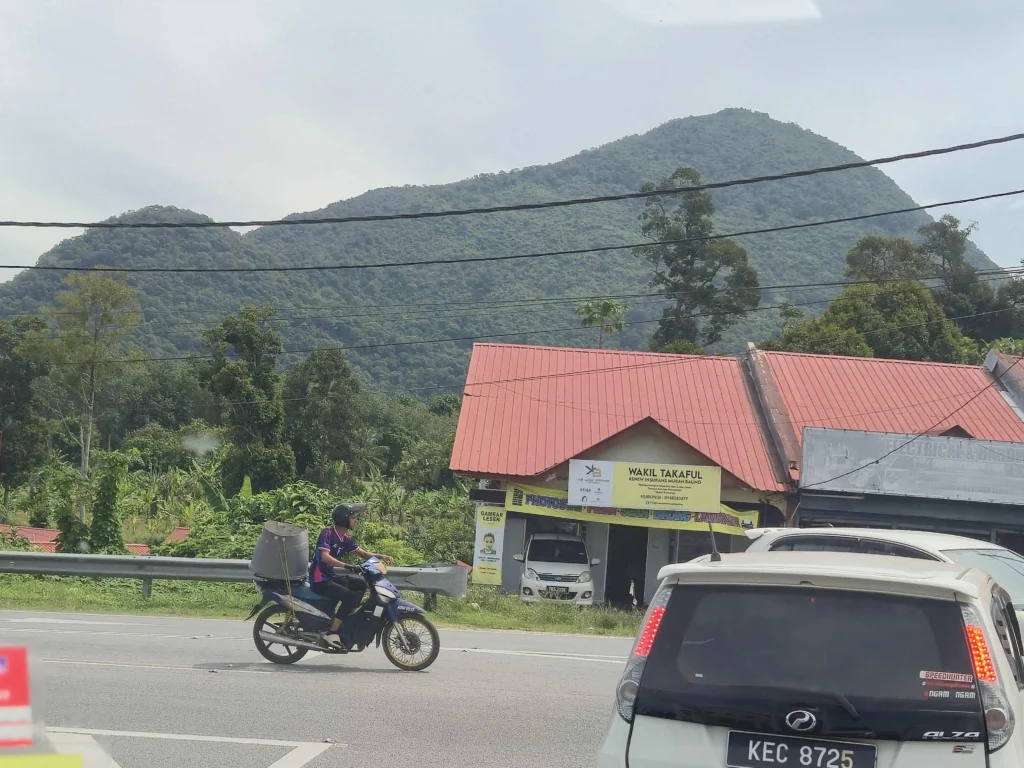
Getting Around: Upon arrival, renting a car or scooter is the ultimate freedom. I rented a small, affordable Perodua for ~$25 USD per day. Driving is on the left, roads are good, and navigating is straightforward with Google Maps. Taxis and ride-hailing apps (Grab) are also available, but having your own wheels lets you chase sunsets and discover hidden coves on your own schedule.
Where to Stay in Langkawi: From Luxury Sanctuaries to Beachside Bungalows
Langkawi’s accommodations cater to every fantasy and budget.
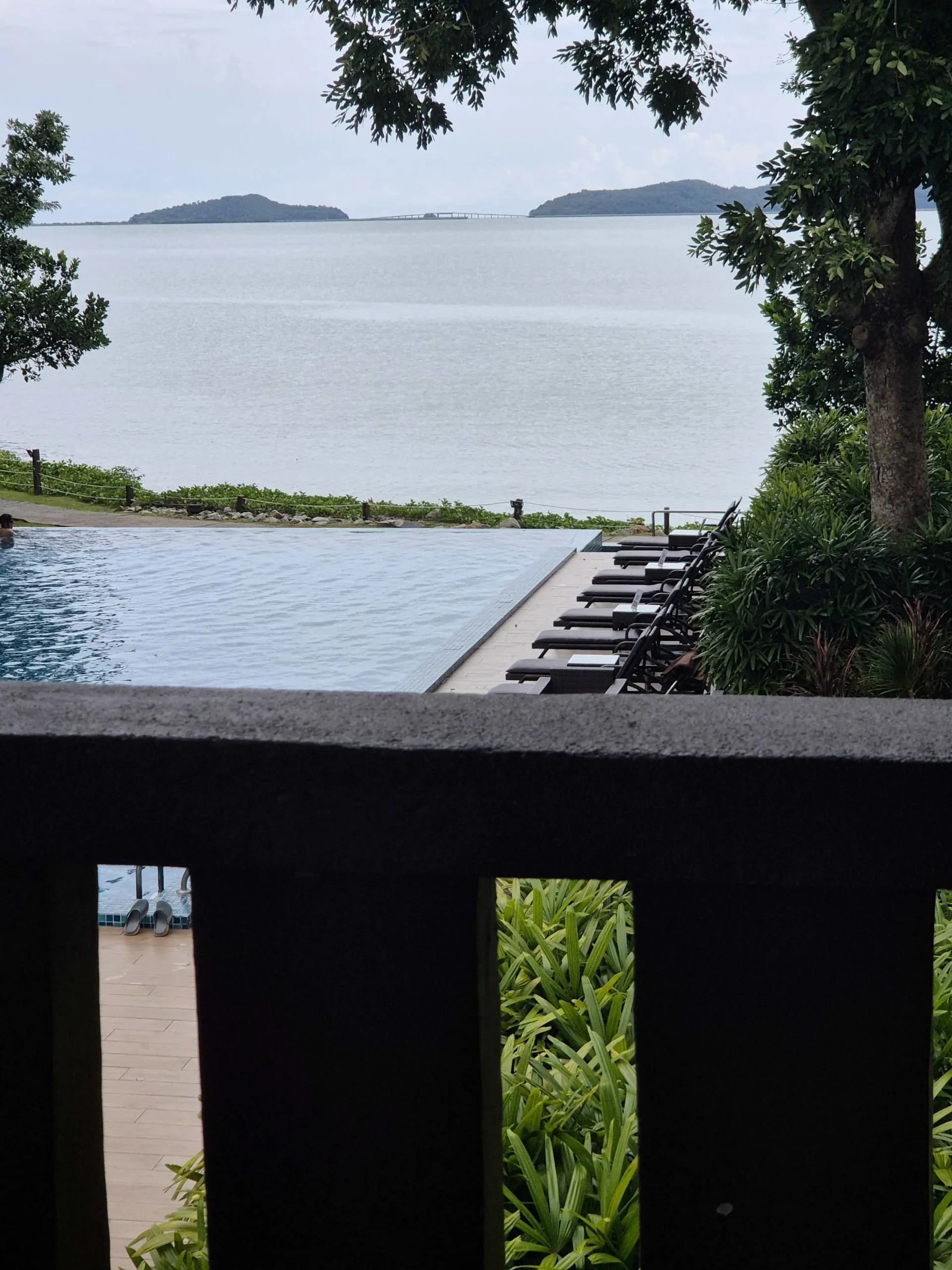
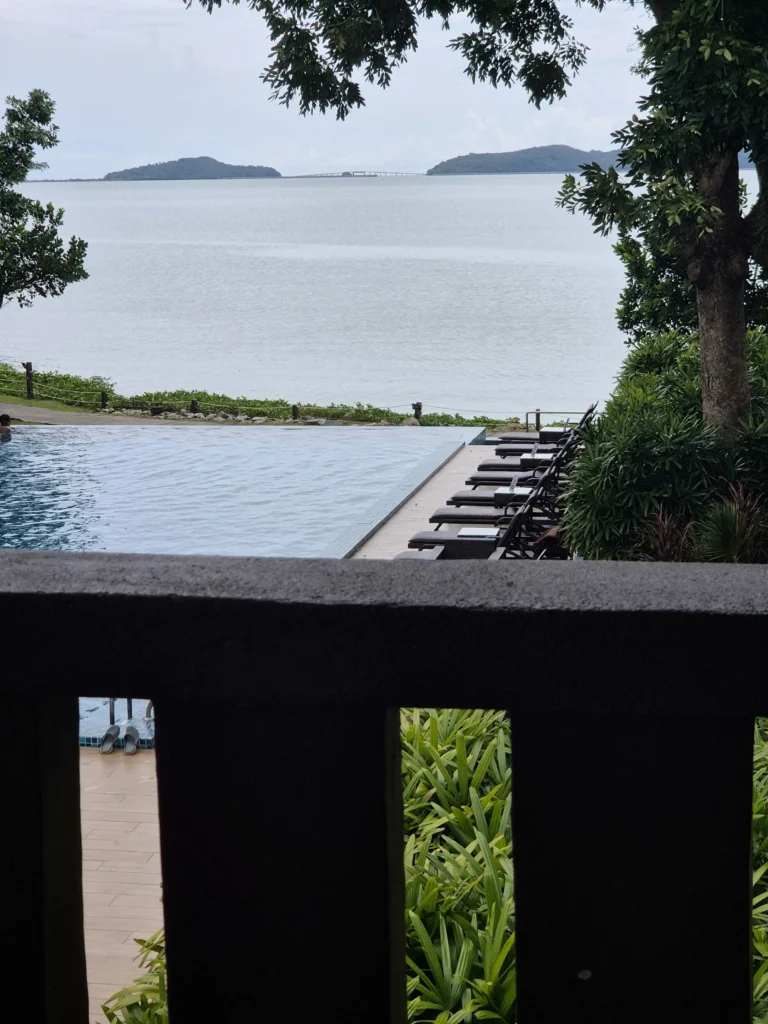
Luxury & Seclusion (Pantai Tengah & the North): For unparalleled luxury, the resorts along the pristine Datai Bay and Tanjung Rhu in the north are legendary. Think private beaches, rainforest spas, and villas perched over water. Pantai Tengah, adjacent to the busier Cenang, offers a more upscale, relaxed vibe with beautiful boutique hotels and stunning sea-view pools.
Vibrant & Social (Pantai Cenang): This is the tourist heartland, and where I based myself. A two-mile stretch of powdery sand is lined with an eclectic mix of beach bars, international restaurants, and shops. The energy is infectious, the sunsets are public spectacles, and you’re never far from a delicious meal or a boat tour operator. Here, you’ll find everything from international chain hotels to charming, mid-range options right on the sand.
Budget & Local Charm (Kuah Town & Around): For a more authentic, wallet-friendly stay, consider Kuah, the main town. It’s quieter, gives you a feel for local life, and is close to the iconic Eagle Square. Guesthouses and budget hotels here offer excellent value, though you’ll need transport to reach the beaches.
My Pick: I stayed at a small, family-run guesthouse a stone’s throw from Cenang Beach. Waking up to the sound of waves and walking straight onto the sand for my morning coffee was worth every penny.
A Perfect Langkawi Itinerary: Four Days in Island Time
Day 1: Sky-High Vistas and Beachside Bliss
Morning began with the Langkawi SkyCab, one of the world’s steepest cable car rides. As we ascended from the Oriental Village base station to the top of Machincang Mountain, the world fell away. Lush rainforest canopy gave way to staggering views of the entire archipelago. At the top, the SkyBridge—a curved pedestrian bridge suspended over a vertiginous gorge—took my breath away. Pro Tip: Go as early as possible (tickets open at 9:30 AM) to beat the clouds and crowds. Book online in advance.
Afternoon was for my first proper introduction to Cenang Beach. I abandoned my shoes, felt the warm sand between my toes, and settled at a rustic beach bar for a fresh coconut and a plate of nasi lemak. The water was bath-warm and perfectly inviting.
Evening descended with a fiery sunset that painted the sky in hues of orange and purple. I dined at a seafood restaurant on the beach, where I pointed to my dinner—a magnificent garoupa—swimming in a tank moments before it was perfectly grilled with sweet chili sauce.
Day 2: Island Hopping & Eagle Encounters
No trip to Langkawi is complete without an island-hopping tour. The shared boat tour (a bargain at ~$15 USD) was a highlight. We zipped across crystalline waters to the pregnant maiden lake of Tasik Dayang Bunting, where I took a refreshing (and supposedly fertility-boosting) swim. Next was a stop to feed the majestic brahminy kites (Lang is an old Malay word for eagle)—a whirlwind of wings and screeches as they swooped for morsels. Our final stop was the tranquil Beras Basah Island for pure white-sand relaxation.
Hidden Gem: Instead of returning immediately, I asked to be dropped at Temurun Waterfall on the north coast. A short hike through the jungle led to a stunning three-tiered cascade, where I had the cool, clear pool almost entirely to myself.
Day 3: Cultural Rhythms & Rainforest Mysteries
I dedicated this day to Langkawi’s soul. In the morning, I explored the Kilim Karst Geoforest Park by private kayak. Paddling through silent mangrove forests, into hidden sea caves, and past ancient limestone formations felt like exploring a primordial world. We spotted sleeping monitor lizards and swooping kingfishers.
Later, I visited the Langkawi Art in Paradise 3D Museum for some playful fun, then paid my respects at the serene Mahsuri’s Tomb & Museum. The legend of the wrongly accused princess who cursed the island for seven generations is the bedrock of Langkawi’s folklore.
Evening found me at the Night Market (Pasar Malam), which moves locations daily. In Kuah on Wednesday, I immersed myself in a sensory feast—sizzling woks, the aroma of satay, and locals shopping for dinner. I feasted on apam balik (sweet peanut pancake) and roti canai for less than $2.
Day 4: Freewheeling Exploration & Farewell Sunsets
With my rental car, I embarked on a self-directed tour. I visited the picturesque Telaga Tujuh Waterfalls (the Seven Wells), the quiet sands of Black Sand Beach (Pantai Pasir Hitam), and the historic Langkawi Craft Complex. My final afternoon was spent at the luxurious Tanjung Rhu Beach, where at low tide, you can walk far out on the sandbars, surrounded by majestic limestone outcrops.
My last evening was a quiet one—a final, perfect sunset watched from a rocky outcrop, followed by a teh tarik (pulled tea) at a roadside kedai kopi (coffee shop), reflecting on the journey.
Local Culture & Food: The Heartbeat of Langkawi
Langkawi’s culture is deeply Malay, infused with Thai influences and a strong sense of tradition. The people are warm, welcoming, and proud of their island’s UNESCO Global Geopark status.
Food is a cornerstone of the culture. You haven’t truly experienced Langkawi until you’ve eaten like a local:
· Nasi Campur: My go-to breakfast. A plate of rice surrounded by a choose-your-own-adventure selection of curries, stir-fried vegetables, fried chicken, and sambal.
· Ikan Bakar: Grilled fish, marinated in spices and often served on a banana leaf. The ikan siakap (sea bass) is a must.
· Laksa: The local variant is a tangy, fish-based noodle soup that is pure comfort food.
· Satay: Skewers of marinated, grilled meat served with a rich peanut sauce and ketupat (rice cakes).
· Don’t Miss: The seafood is spectacularly fresh and affordable. For a treat, visit a seafood restaurant in Pantai Ikan Bakar (Fish Grill Beach) near Kuah.
Langkawi Trip Costs & Budget Breakdown
Langkawi can be as affordable or as luxurious as you wish. Here’s a realistic daily budget per person (in USD):
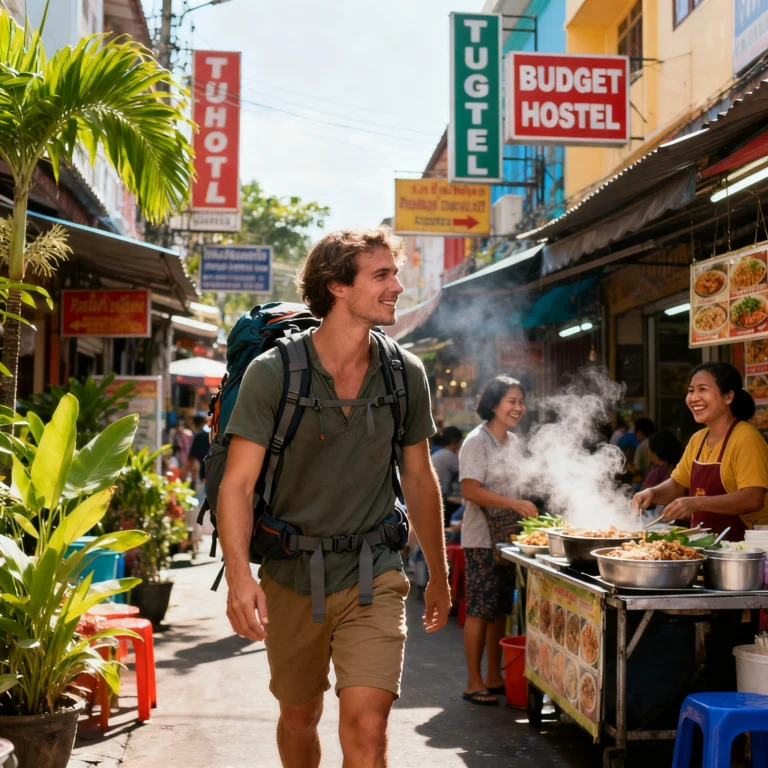
· Budget Traveler ($30-$40/day): Dorm/guesthouse ($10-15), scooter rental ($8), street food/market meals ($10), free/cheap activities (beaches, hikes) ($5).
· Mid-Range Traveler ($70-$100/day): Private room/3-star hotel ($40-60), car rental ($25 split), mix of local and sit-down meals ($20), paid tours/attractions ($20).
· **Luxury Traveler ($200+/day):** 5-star resort ($150+), private tours, fine dining.
Money-Saving Tips:
1. Eat at mamak stalls and night markets.
2. Book ferry tickets and popular attractions (SkyCab) online in advance.
3. Share car rentals and island-hopping tours with other travelers.
4. Drink local: Skip imported beers and enjoy fresh coconut water or teh tarik.
5. Many natural attractions—beaches, waterfalls, hikes—are completely free.
Best Time to Visit Langkawi: Chasing the Sun
Langkawi enjoys a tropical climate year-round, but timing matters.
· Dry Season (November – April): The best time to visit. Sunny days, lower humidity, and calm seas perfect for island hopping. December-February is peak tourist season—book well ahead.
· Shoulder Seasons (May-July, September-October): A great balance. You might experience brief afternoon showers, but prices are better, and crowds are thinner.
· Monsoon Season (August, and to a lesser extent, May-October on the west coast): The island’s west coast (where Cenang is) is generally sheltered, but rainfall increases, and sea conditions can cancel boat tours. This is the quietest and cheapest time, with lush, green landscapes.
Essential Langkawi Travel Tips & Mistakes to Avoid
· Don’t Overplan: Langkawi’s charm is in its rhythm. Leave room for spontaneous beach days and unexpected discoveries.
· Rent Transportation: Public transport is limited. To truly explore, a car or scooter is essential.
· Respect the Culture: While the island is relaxed, dress modestly when visiting villages, mosques, or government buildings.
· Carry Cash: While cards are accepted in larger establishments, smaller eateries, markets, and taxi drivers operate on cash (Malaysian Ringgit).
· Avoid: Only staying in Cenang. The island’s magic is in its interior and northern coasts. Also, don’t forget reef-safe sunscreen and insect repellent for the mangroves.
· Do: Haggle politely at markets (not in fixed-price shops), try to learn a few Malay phrases (terima kasih = thank you), and always have your swimsuit handy—you never know when you’ll stumble upon a perfect cove.
Conclusion: The Island That Stays With You
As my ferry pulled away from the jetty, Langkawi didn’t fade into a postcard memory. It stayed with me—the taste of chili crab, the sound of the call to prayer mixing with jungle cicadas, the feeling of warm rain on a forest hike, and the profound peace of a starlit beach. Langkawi is more than a checklist of sights; it’s an experience that engages all your senses and slows your pulse. It’s a place where legend feels alive, and nature puts on a daily, spectacular show. Whether you’re an adrenaline junkie, a food lover, a culture seeker, or simply someone in need of a beautiful place to breathe, Langkawi welcomes you with open arms and a whisper of ancient stories. Just go. Your own chapter in its legend awaits.