Conquering the Roof of Borneo: My Unforgettable Journey to Climb Mount Kinabalu, Sabah
By [WanderLustSEA] | Last updated: April 2026
There are moments in travel that simply look good on Instagram. And then some moments steal your breath—literally and figuratively.
Standing at 4,095 meters (13,435 feet) above sea level, watching the sunrise paint the South China Sea in shades of gold and pink, I forgot how to breathe. But honestly? That might have been the altitude.
This is the story of how I climbed Mount Kinabalu, the tallest mountain between the Himalayas and New Guinea, and why you need to add this Borneo beast to your bucket list—immediately.
Let me take you along the trail, through the clouds, and straight into the heart of Sabah, Malaysian Borneo.
Why Mount Kinabalu? (Spoiler: It’s Not Just a Hike)
I’ll be honest: I am not a mountaineer. I am a curious traveler who likes good coffee and reliable Wi-Fi. So why did I decide to climb a mountain that scares even seasoned hikers?
Mount Kinabalu is not just a physical challenge—it is a spiritual one.
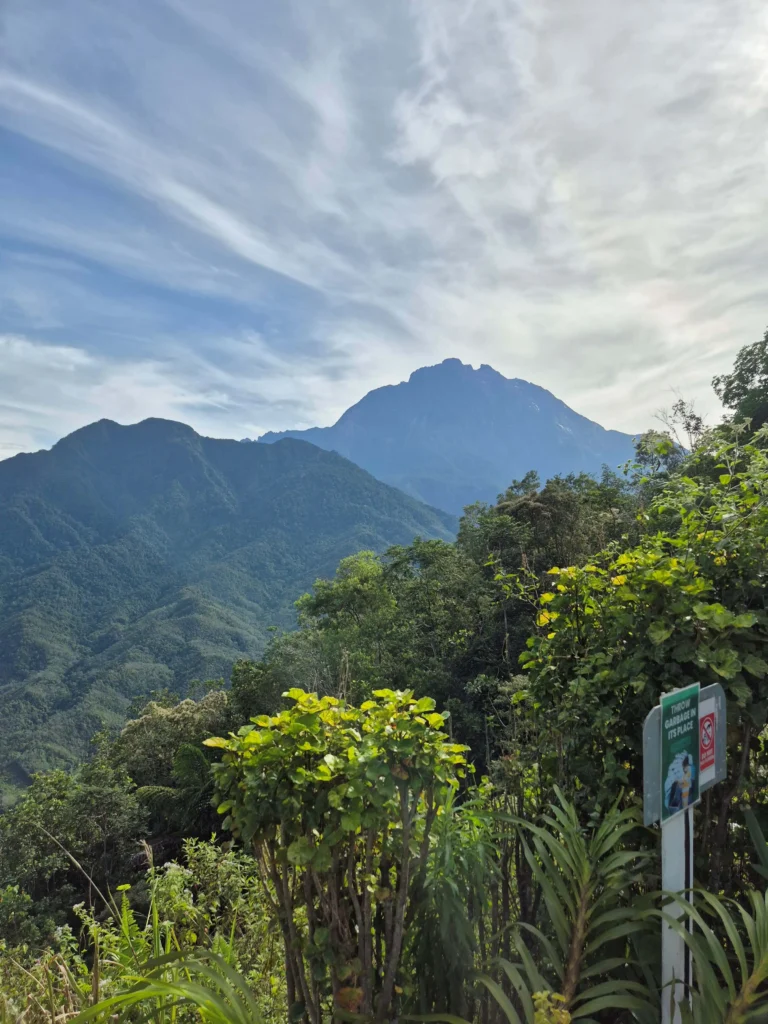
Located in Kinabalu Park, a UNESCO World Heritage Site, this ancient granite giant is sacred to the local Kadazan-Dusun people. They believe the spirits of their ancestors rest at the summit. The mountain hosts over 5,000 plant species, including carnivorous pitcher plants and the rare Rafflesia (the world’s largest flower).
But here is the real reason: the sunrise. I had seen photos. I needed to see it with my own eyes.
Spoiler alert: the photos do not do it justice.
Before You Go: What Nobody Tells You
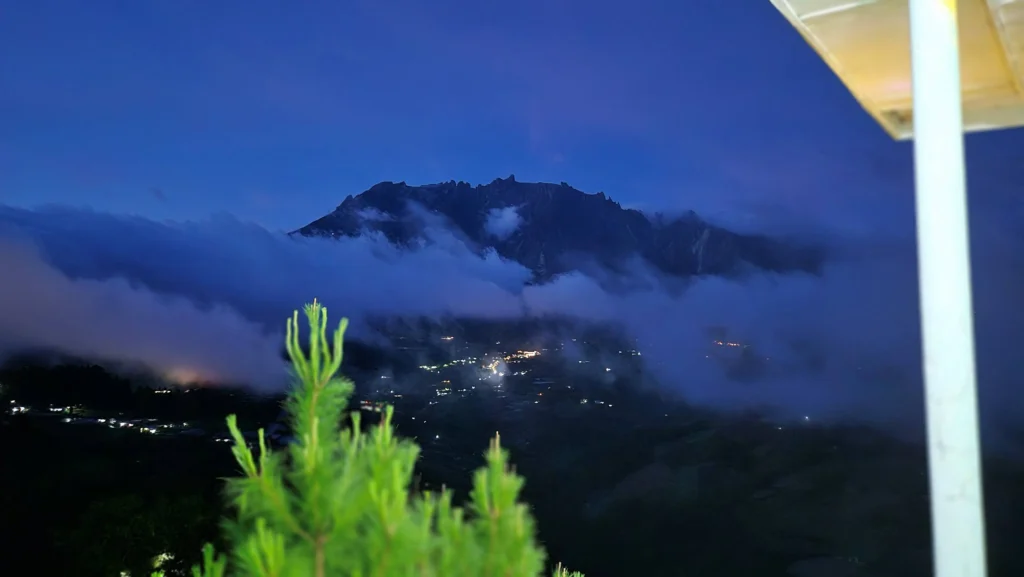
Let me save you the stress I went through. Here is the unglamorous truth about planning this trip.
1. You Must Book Months in Advance
Mount Kinabalu is not a casual “show up and climb” situation. The park limits climbers to 150–200 people per day. Accommodation at the midway point (Laban Rata) sells out 3 to 6 months ahead.
My advice: Book through a registered agent like Amazing Borneo or Sutera Sanctuary Lodges. Expect to pay around RM 1,200–1,800 ($250–$400 USD) for the 2D1N package, including permits, guides, insurance, and meals.
2. Fitness Matters (But You Don’t Need to Be Superman)
I trained for 8 weeks. I climbed stairs with a weighted backpack. I cursed my trainer’s name. And guess what? Day two still wrecked me.
That said, I saw 65-year-olds reach the summit. I also saw 20-year-olds turn back. The key is endurance, not speed. If you can hike for 5–6 hours continuously, you can do this.
3. Altitude Is the Real Villain
At 4,095 meters, altitude sickness is common. Headaches, nausea, dizziness—I experienced all three. The secret? Hydrate constantly. I drank 3–4 liters per day. Also, Diamox (acetazolamide) is available with a prescription. Ask your doctor.
Day 1: The Long Climb to Laban Rata (6 km, 4–6 hours)
Starting point: Kinabalu Park Headquarters (1,563m)
Destination: Laban Rata Resthouse (3,272m)
My alarm went off at 6:00 AM. Outside my guesthouse in Kota Kinabalu City, the sky was still dark. A shuttle picked me up at 7:00 AM, and by 8:30 AM, I was registering at the park gate, meeting my guide—a wiry, smiling Kadazan man named Julin.
“Slow and steady,” Julin said. “Don’t race. The mountain wins every race.”
At 8:45 AM, we stepped onto the trail.
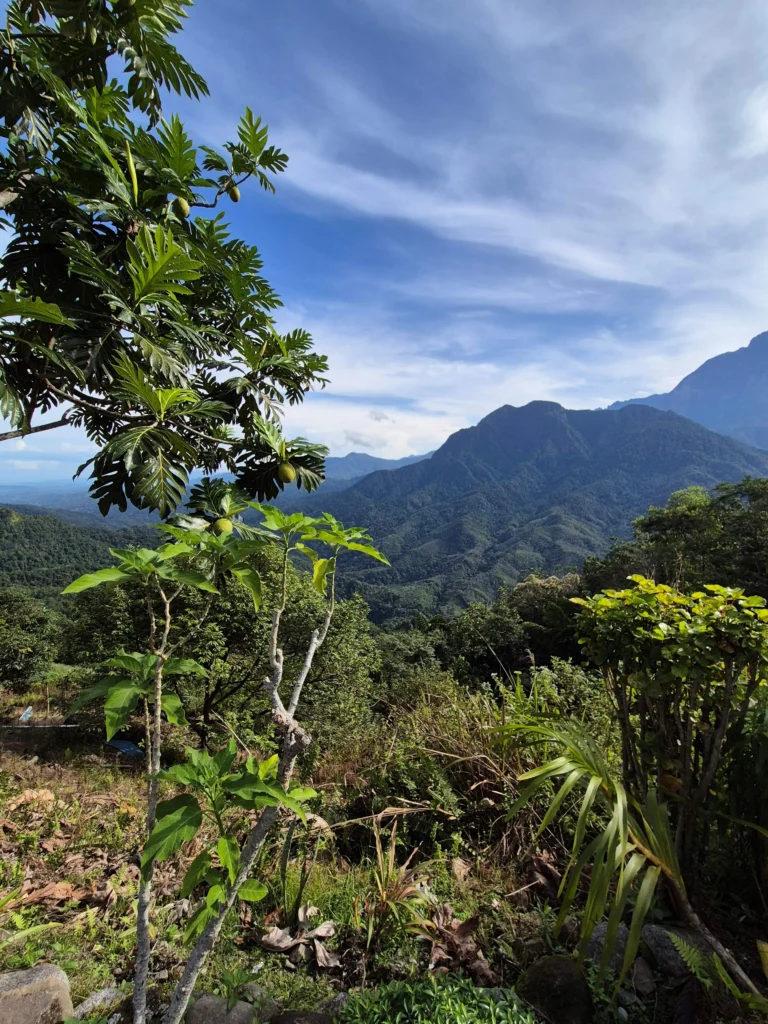
The First 2 Kilometers: Deceptively Gentle
The trail begins through dense, misty jungle. Wooden stairs. Moss-covered trees. The sound of strange birds. Honestly? I thought, “This is easy. I’ve got this.”
Famous last words.
Kilometers 3–5: The Stairs That Never End
Around the 3-kilometer mark, the trail transforms into a cruel stairmaster designed by a sadist. Thousands of uneven stone steps. Some are waist-high. My thighs were screaming by kilometer 4.
But here is the magic: the higher you climb, the more the world opens up. At Layang-Layang (2,700m), the trees thin out, and you see your first glimpse of the granite summit far above.
I took 37 photos. None of them captured the feeling.
Arrival at Laban Rata
At 2:15 PM, I stumbled into Laban Rata Resthouse—a warm, crowded, blessedly heated building clinging to the mountain’s edge. Hot buffet lunch never tasted so good. Bunk beds never looked so inviting.
I slept for 4 hours. At 7:00 PM, we ate dinner (rice, curry, vegetables, and a strange but delicious pumpkin soup). Then back to bed.
Tip: Sleep immediately. You wake up at 1:30 AM for the summit push.
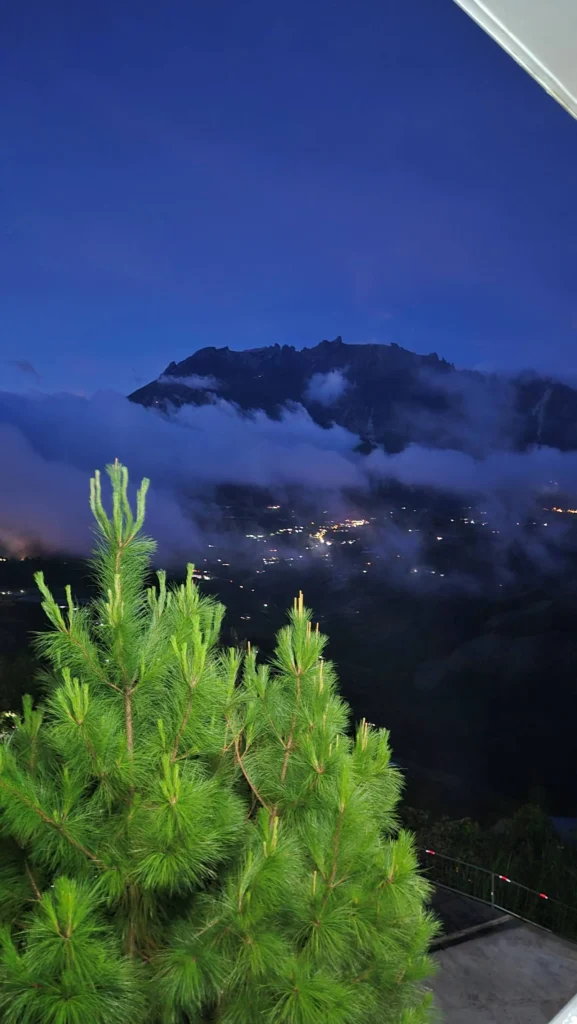
Day 2: The Summit Push – Darkness, Tears, and Sunrise
1:30 AM: My alarm. Outside, the temperature was near freezing (3–5°C) . I layered up: thermal base, fleece, windbreaker, gloves, beanie, headlamp.
2:00 AM: We stepped into the pitch-black. Only our headlamps lit the way.
The Rope Section: Pure Adrenaline
Between 3,500m and 4,000m, the trail becomes bare granite. In daylight, it would be stunning. In darkness, it is terrifying. Ropes are bolted into the rock. You pull yourself up hand-over-hand.
I slipped once. My heart stopped. Julin grabbed my arm.
“You’re okay,” he said. “Keep going.”
I kept going.
Low’s Peak: The Summit
At 5:45 AM, still dark, I reached Low’s Peak—the highest point. I sat on a cold rock, shivering, exhausted, and crying (honestly). Then the sun began to rise.
First, a thin line of orange on the horizon. Then pink. Then gold. Below me, clouds stretched like a white ocean. In the distance, I could see Mount Tambuyukon and, on a perfectly clear day, the city of Kota Kinabalu and the islands of Tunku Abdul Rahman Marine Park.
I sat there for 45 minutes. I did not take a single photo for the first 20 minutes. I just… breathed.
That is the moment you climb for.
Day 2 Afternoon: The Painful Descent (6 km, 3–4 hours)
What goes up must come down. And coming down Mount Kinabalu is brutal on the knees.
By 7:30 AM, we began the descent back to Laban Rata for breakfast. By 9:00 AM, we started the 6 km hike to the park gate. My legs were jelly. My toenails would later fall off (worth it).
We reached the gate at 12:30 PM. I collapsed into a chair. Julin handed me a certificate. I hugged him.
Then I took the longest, hottest shower of my life.
What to Pack for Mount Kinabalu (The Smart List)
| Item | Why You Need It |
|---|---|
| Waterproof hiking boots (broken in!) | The trail is wet and slippery |
| Headlamp with extra batteries | Essential for the 2 AM summit push |
| Layered clothing | 25°C at the bottom, 3°C at the top |
| Rain jacket | Weather changes in minutes |
| 2–3 liters water bladder | Hydration is survival |
| High-energy snacks | Chocolate, nuts, energy bars |
| Blister plasters | Trust me on this |
| Gloves | The ropes will shred bare hands |
| Paracetamol / Ibuprofen | For altitude headaches |
What they provide: Packed lunch, dinner, breakfast, blanket, and a guide.
Is Mount Kinabalu Dangerous?
Honestly? Yes, if you are unprepared. But with a guide, proper booking, and fitness, it is very safe.
The 2015 earthquake (magnitude 6.0) killed 18 people, mostly from falling rocks. Since then, the park has installed new safety ropes, emergency shelters, and stricter weather monitoring. If the park closes the summit due to rain or wind, listen to them.
I was lucky: clear skies both days.
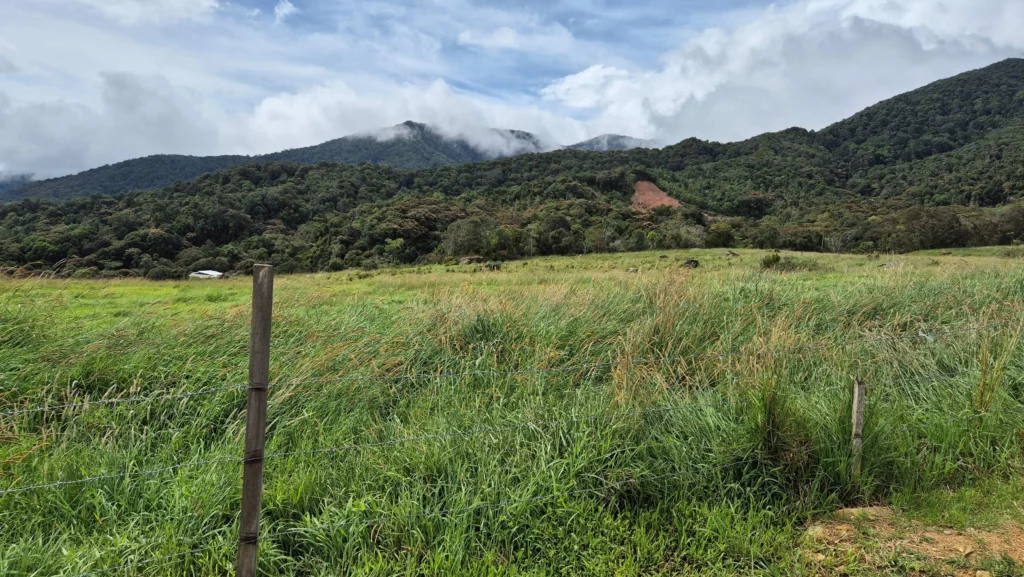
Beyond the Mountain: Exploring Sabah
After descending, I spent 3 more days in Sabah because you cannot climb Kinabalu and just leave. Here is what I recommend:
1. Sepilok Orangutan Rehabilitation Centre
Watch orphaned orangutans learn to climb and feed. Book the 10:00 AM feeding session. Bring insect repellent.
2. Kinabalu Park (the base itself)
Even if you do not climb, the park has botanical gardens, canopy walks, and the famous Rafflesia flower (if it is blooming—check ahead).
3. Kota Kinabalu Night Market
Fresh grilled stingray, satay, and the most delicious Nasi Lemak of my life. Also, cheap souvenirs.
4. Tunku Abdul Rahman Marine Park
A 15-minute boat ride from KK. Snorkeling, kayaking, and beaches that rival the Maldives.
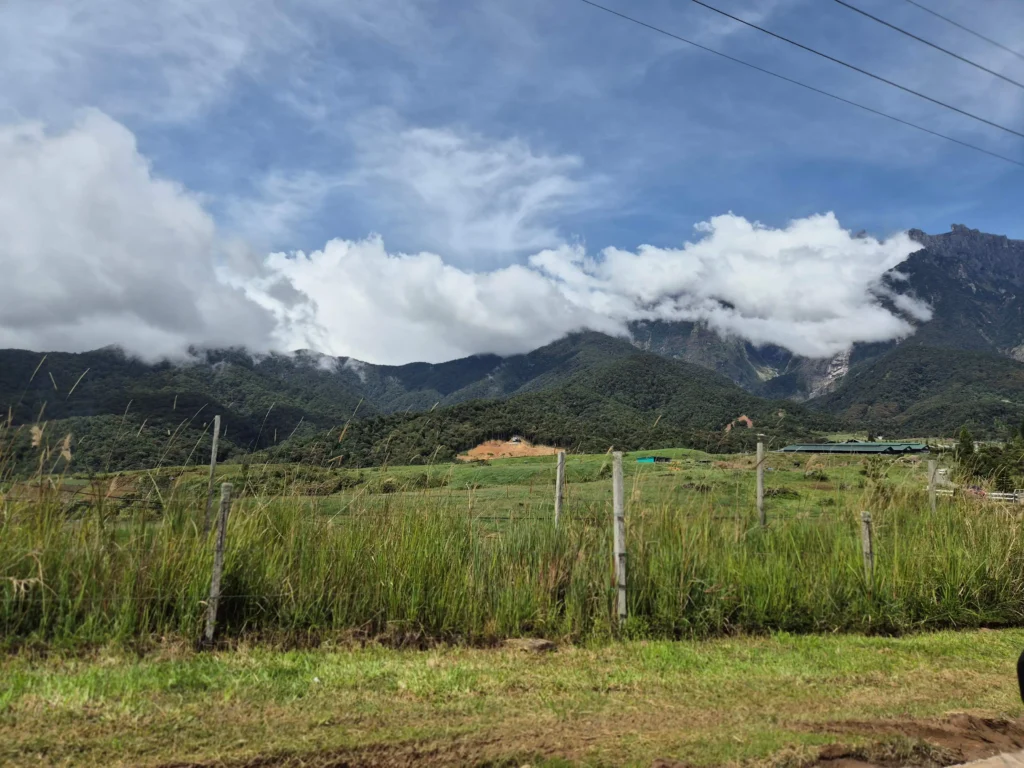
Final Verdict: Is Climbing Mount Kinabalu Worth It?
Let me be blunt: it is the hardest physical thing I have ever done. Harder than any marathon. Harder than any breakup. Harder than assembling IKEA furniture alone.
And I would do it again tomorrow.
Mount Kinabalu is not just a mountain. It is a teacher. It teaches you patience when your legs burn. It teaches you humility when the altitude humbles you. And it teaches you joy when the sun rises over the clouds and you realize—you made it.
If you are even thinking about climbing Kinabalu, stop thinking. Start booking.
The mountain is waiting.
Ready to Climb? Your Next Steps
- Book 3–6 months in advance via Sutera Sanctuary Lodges or a registered tour operator.
- Train for 8 weeks focusing on stair climbing and cardio.
- Fly into Kota Kinabalu International Airport (BKI) —direct flights from Singapore, Hong Kong, Seoul, Taipei, and Kuala Lumpur.
- Pack smart using my checklist above.
- Leave your ego at the bottom. The mountain does not care how fast you are. It cares how steady you are.