Top 15 Affordable Destinations in Southeast Asia for Budget Travelers
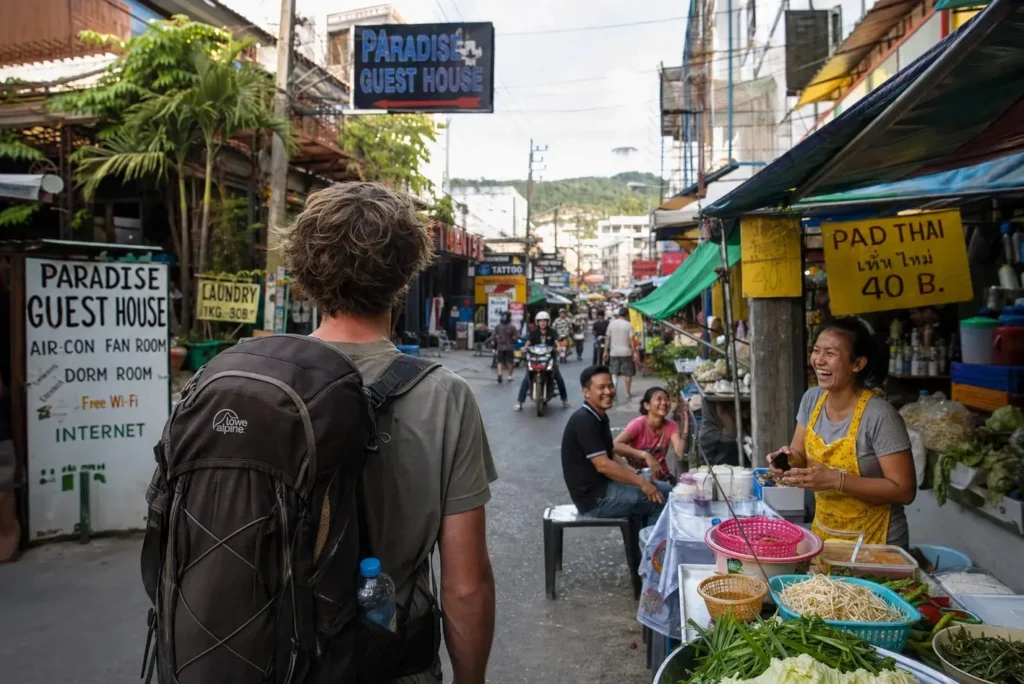
Dreaming of turquoise waters, ancient temples, and spicy street food—but worried about your bank account? Don’t be. The region is packed with affordable destinations in Southeast Asia where your dollar stretches further than you ever imagined. I’ve spent months backpacking from Hanoi to Jakarta, and I can tell you firsthand: you don’t need deep pockets to have deep experiences here.
In fact, many travelers end up spending less than $25 a day while eating like kings and sleeping in charming guesthouses. Whether you’re a solo adventurer, a digital nomad, or a couple on a shoestring, this guide will show you 15 incredible places that make budget travel in Southeast Asia not just possible, but truly enjoyable.
We’ll also cover the cheapest countries, low-cost islands, food hacks, and common mistakes to avoid. So grab a coffee (or a $0.50 Vietnamese iced coffee), and let’s dive into the best cheap places in Southeast Asia for your next journey.
Why Southeast Asia is ideal for budget travel
Let’s be honest: Europe and North America can bleed you dry. A single museum ticket in Paris might cost what feeds you for three days in Laos. But why is this region so affordable?
First, local economies are built around value. In Thailand, a filling bowl of noodles costs 1.50$ , family−run guesthouses can offer 1.50$ because ingredients are grown locally and competition among vendors is fierce. The same logic applies to accommodation: family−run guest houses can offer 8 private rooms because property prices (outside super-touristy zones) remain low.
Second, backpacking in Southeast Asia has a long history. The Banana Pancake Trail—the classic backpacker route through Thailand, Laos, Vietnam, and Cambodia—has undergone significant evolution over the past few decades. That means reliable infrastructure: cheap sleeper buses, budget airlines like AirAsia and Nok Air, and hostels that understand what travelers need (free water refills, luggage storage, and social areas).
Third, many attractions are either free or very cheap. Temples usually ask for a small donation. National parks charge a few dollars. Even world-famous sites like Angkor Wat have reasonable multi-day passes. Compare that to $30+ for a single attraction in London or New York.
For anyone serious about budget travel Southeast Asia, the key is knowing where your money goes. Accommodation and food are your two biggest costs. In most of the region, you can keep both under $15 per day without feeling deprived. Transport, tours, and partying will add more—but you control the pace.
Cheapest Countries to Visit
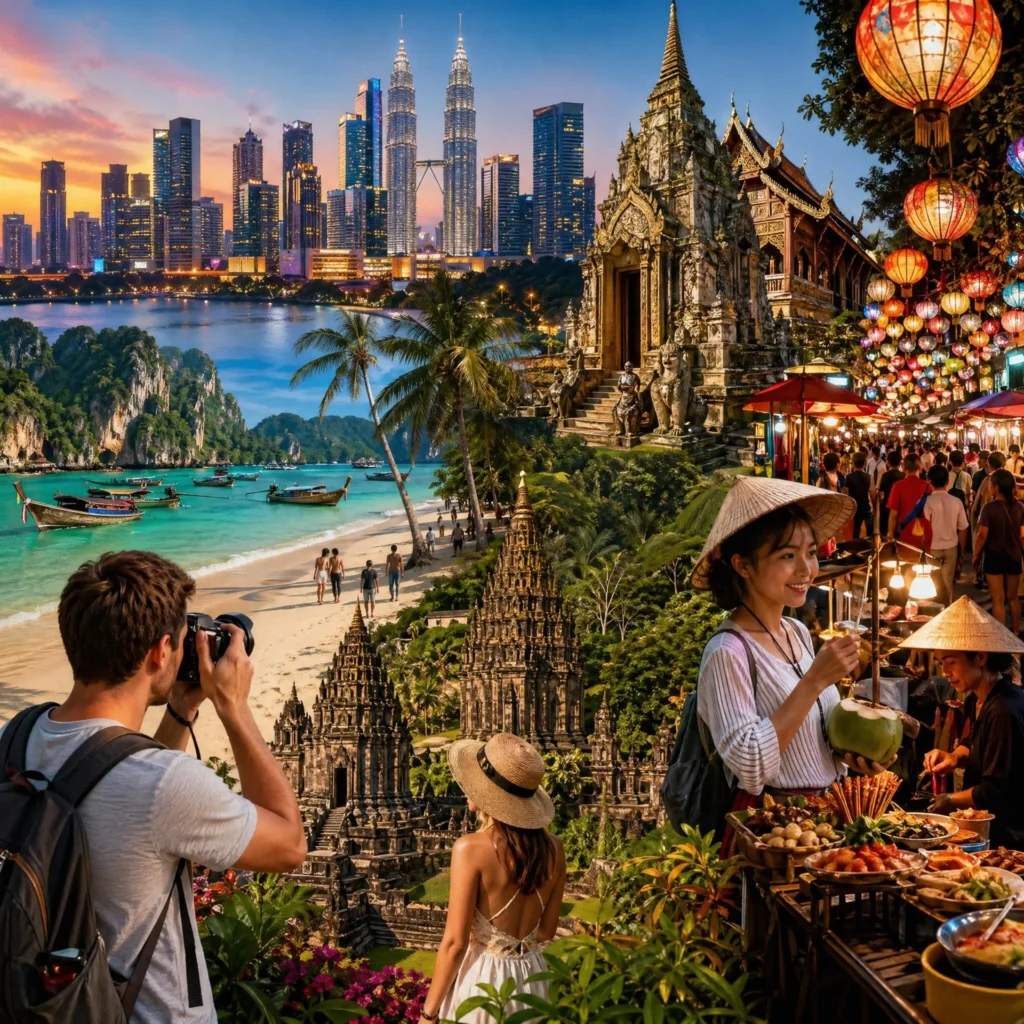
Not all Southeast Asian nations are equal when it comes to costs. Here are four standout bargains, ranked from least to moderately expensive.
1. Cambodia
Cambodia is ridiculously cheap. Hostel beds: 3–5. A hearty∗fishamok∗currywithrice:3–5. The biggest expense is the Angkor Wat pass (0.75$).(37 for one day, $62 for three), but everything else is a steal. Tip: stay in Siem Reap’s hostel dorms and eat at local markets like Psar Chaa.
2. Laos
Laos remains off many radars, which keeps prices low. A private bungalow in Vang Vieng costs 10$–12$. A river tubing pass with entry tobars?10$–12$. The only catch is that getting around takes longer (roads are winding), but overnight buses from Vientiane to Luang Prabang run about $18. Perfect for slow travelers.
3. Vietnam
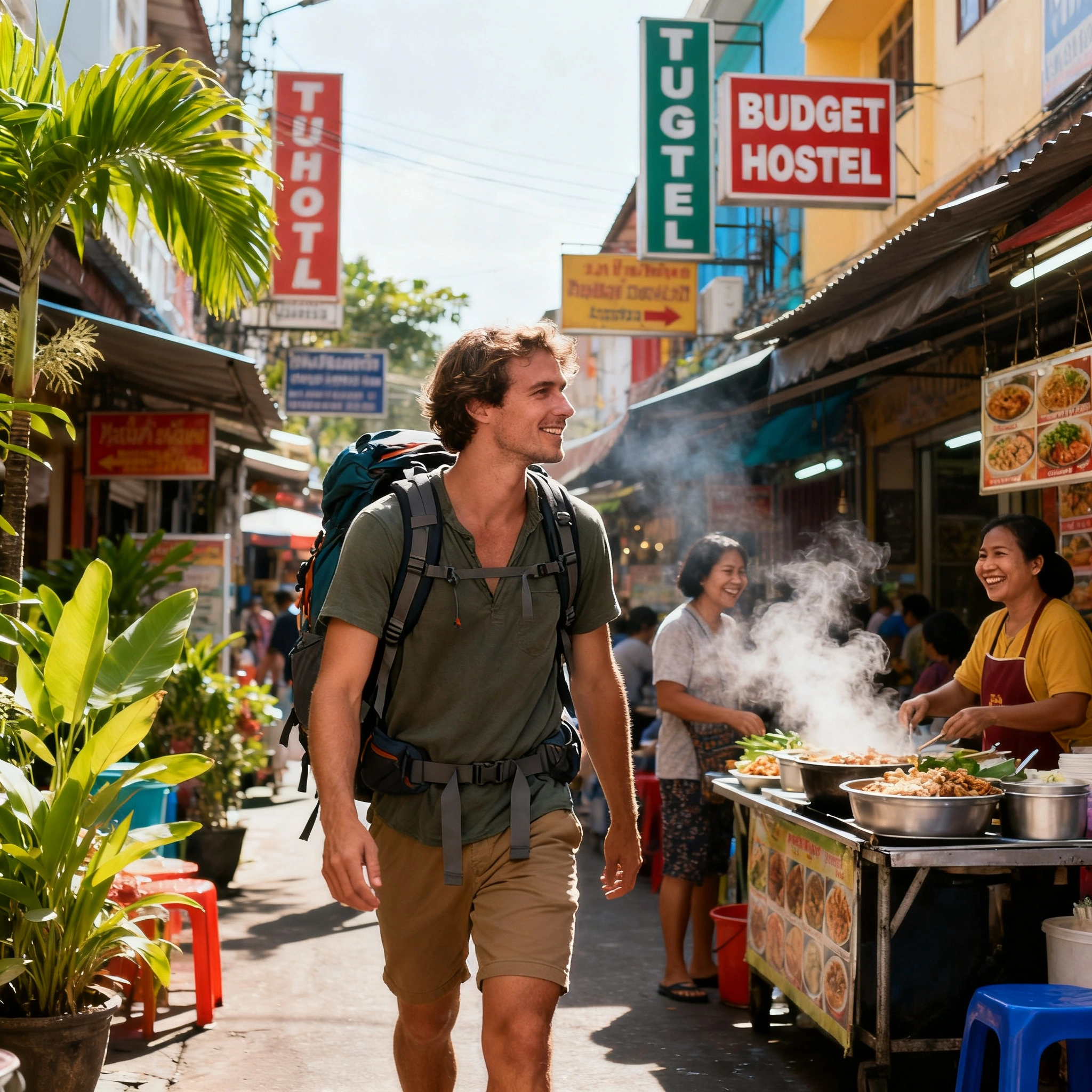
From north to south, Vietnam delivers incredible value. A banh mi sandwich: 1$, a private room in Hanoi’s Old Quarter:10$–12$. The trick is to avoid fancy foreigner-targeted restaurants. Instead, eat phở from a street stall and download the Grab app (Southeast Asia’s Uber) to avoid taxi scams.
4. Indonesia (outside Bali)
Bali has become pricier, but head east to Lombok, Yogyakarta, or Sumatra, and you’ll find cheap places in Southeast Asia with real charm. Yogya’s budget hotels start at 8$, and a full ”nasigoreng” with chicken and egg is 1.8$. Even the famous Borobudur temple costs $25 for sunrise entry—expensive by local standards but a bargain compared to global heritage sites.
Strategy: If you’re on a three-month trip, start in Cambodia or Laos to warm up your budgeting muscles, then visit Vietnam, and finish in Thailand or Malaysia. That way you allocate more funds to the slightly pricier destinations later.
Affordable Cities with Great Attractions
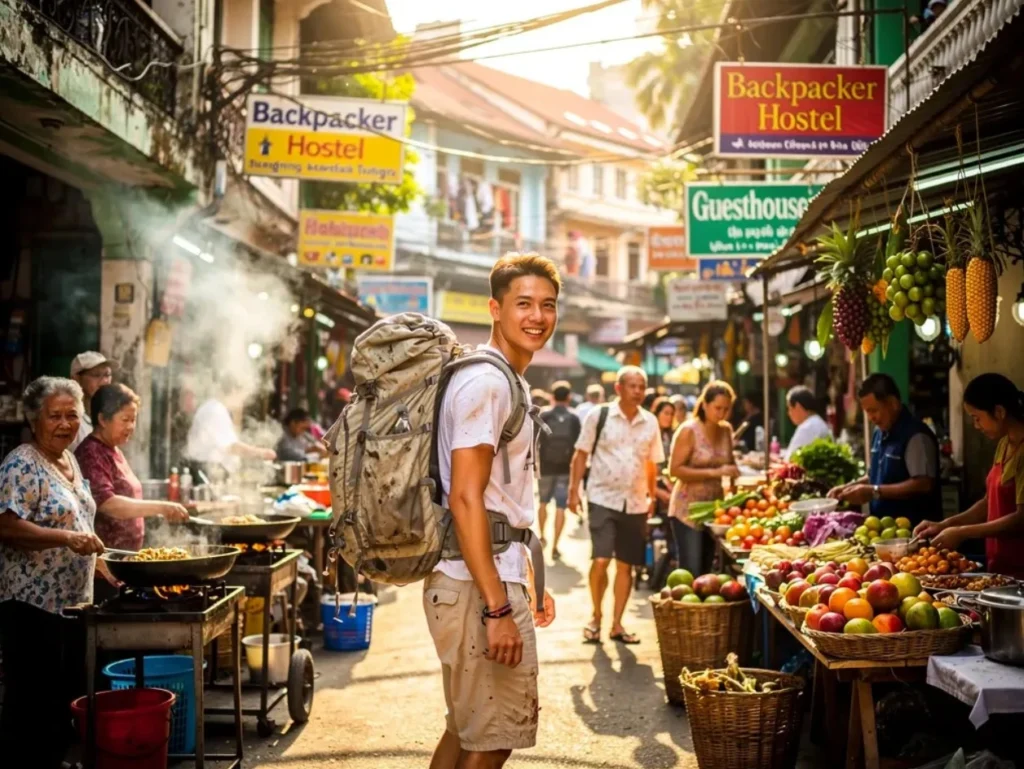
Cities can be budget traps if you don’t know where to stay and eat. These five urban hubs prove otherwise.
1. Chiang Mai, Thailand
Chiang Mai is the reigning champ of affordable destinations in Southeast Asia for city lovers. A modern hostel dorm: 4$.A cooking class: 4$. A cooking class: 12$ (including market tour). The famous Sunday Night Market has endless 1$ snacks. Plus, dozens of temples are free to enter.
Expert tip: rent a scooter for 5$/day. to explore Doi Suthep and the Sticky Waterfalls—just ensure you have an international driver’s license.
2. Phnom Penh, Cambodia
Many travelers skip Phnom Penh, but that’s a mistake. The Tuol Sleng Genocide Museum (5$) and Killing Fields (6$) are heavy but essential. For lighter moments, walk along Sisowath Quay at sunset (free) and eat at the Central Market’s food stalls (lunch for 1.50$). Guesthouses near the riverside cost 10$–15$ for a private fan room.
3. Georgetown, Malaysia
Malaysia isn’t the cheapest, but Georgetown on Penang Island is an exception. Street food here is legendary: char kway teow for 1.80$,”aiskacang”(shaved ice dessert) for 1.80$,”aiskacang”(shaved ice dessert) for $1. The UNESCO-listed old town is free to explore, and budget hotels start at $12. Use the free CAT bus to get around.
4. Luang Prabang, Laos
This riverside town is a UNESCO gem. Join the morning alms ceremony (free, but buy sticky rice for 1$ . Then hike up Mount Phousi (2$ entry) for panoramic views. Night market food stalls sell laap (minced meat salad) for 2$. Accommodation:2$. Accommodation:6$–10$ for dorms, $15–20 for private rooms.
5. Da Nang, Vietnam
Da Nang is often overshadowed by Hoi An and Hue, but it’s cheaper and less crowded. My Khe Beach is free and clean. The Marble Mountains cost 1.50.ABanhMifromastreetcartis1.50.ABanhMifromastreetcartis0.80. And you can find modern hostels with swimming pools for $6 a night. Many digital nomads base here for good reason.
Statistic: According to the 2024 Backpacker Index, the average daily budget in Chiang Mai is 22$. In Phnom Penh,it’s even lower: 19$(including hostel, three street meals,and a short transport).
Low-Cost Beaches & Islands
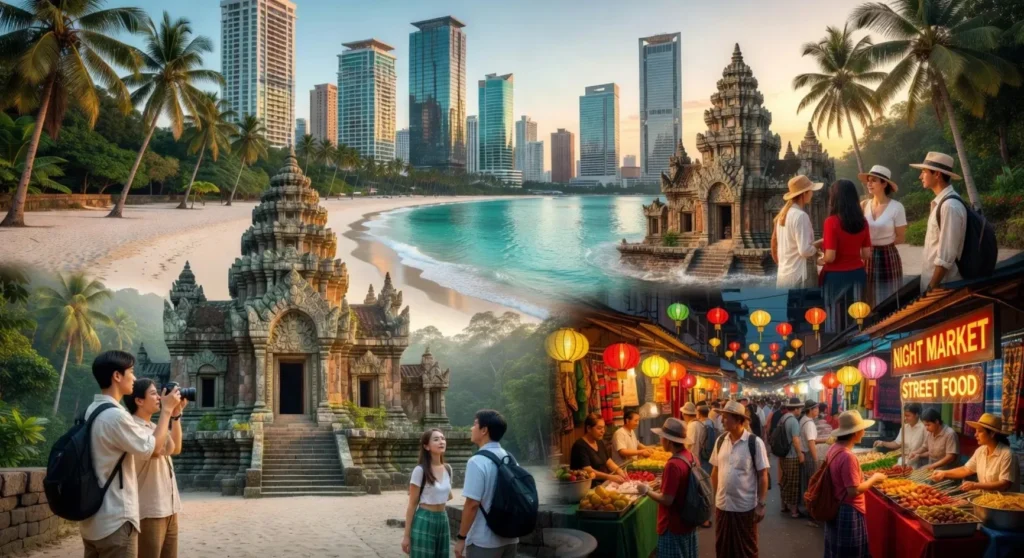
Dreaming of sand and sea without the resort price tag? These five spots deliver.
1. Koh Rong Samloem, Cambodia
Forget crowded Koh Phi Phi. Koh Rong Samloem is two hours from Sihanoukville by speedboat (round trip 22$).Once you arrive,you’ll find basic bungalows for 10$–15$ and deserted beaches. Lazy Beach on the west side has no roads, no ATMs, just hammocks and turquoise water. Eat at your guesthouse (meals $3–5) because options are limited.
2. Perhentian Islands, Malaysia
These islands off northeastern Malaysia are a diver’s paradise. A longtail boat from Kuala Besut costs 10$ one-way.On Long Beach, simple chalets go for 15$–20$ per night. Snorkeling trips: 12 $ for four hours, including equipment and lunch.The catch? Only basic food stalls, but a plate of fried rice costs 2.50$.
3. Koh Lanta, Thailand
While Phuket and Samui have become expensive, Koh Lanta remains laid-back and affordable. Bungalows near Klong Dao Beach: 12–18.Scooterrental:12–18.Scooterrental:4/day. Visit during May–October (low season), and you’ll find prices drop another 30%. Plus, you can watch bioluminescent plankton at night for free from the southern beaches.
4. Nusa Lembongan, Indonesia
Skip Bali’s overpriced beach clubs. Take a 30-minute fast boat from Sanur to Nusa Lembongan (20 round-trip).Here, you can stay in a cliffside bungalow for 15$–20$. Snorkel with manta rays (tour 15$) or rent a scooter (15$) or rent a scooter (5$/day) to explore Dream Beach and Devil’s Tear. Food is pricier than in mainland Bali (meals $3–5$), but it’s still cheap by Western standards.
5. Cat Ba Island, Vietnam
Cat Ba is the budget alternative to Ha Long Bay (which is stunning but expensive). A two-day, one-night cruise through Lan Ha Bay (less crowded than Ha Long) costs 35$–45$ including kayaking,meals, and a cave tour. Stay in CatBa town for 6$–10$ per night. Ferry from Hai Phong: $8.
Trend: More budget travelers are seeking “slow island” experiences—staying in one place for a week or more to get weekly discounts on accommodation. On Koh Rong Samloem, some guesthouses offer 20% off for stays of 5+ nights.
Budget Food and Accommodation Tips
Here’s how to save serious money without feeling like a pauper.
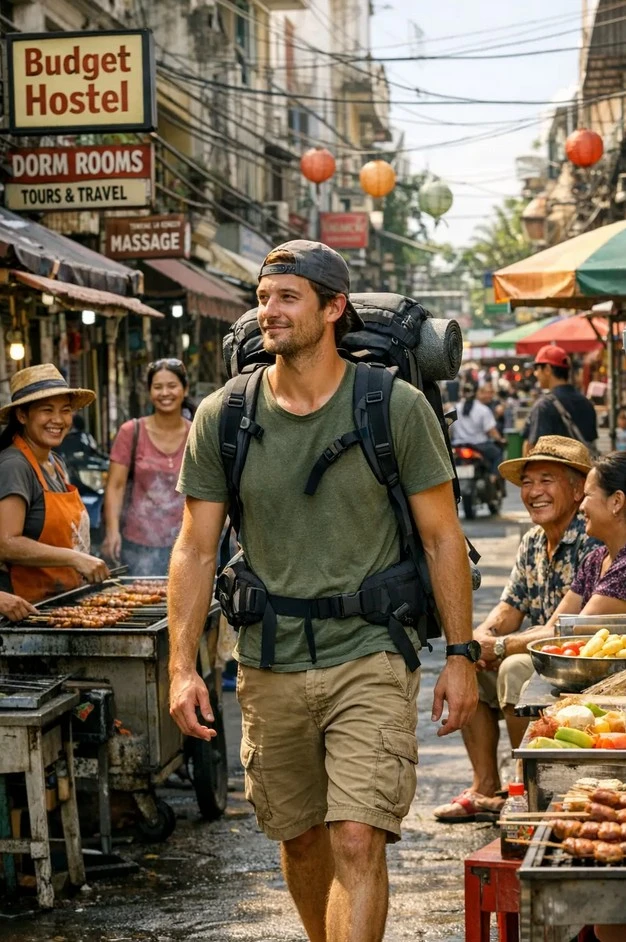
Food Tips
- Follow the locals: If a street stall has a queue of office workers, eat there. The turnover is high, so food is fresh.
- Learn basic phrases: “Aroy mai?” (Is it delicious?) in Thai, or “Bao nhiêu?” (How much?) in Vietnamese—locals appreciate the effort and are less likely to overcharge.
- Eat like a king for lunch: Many restaurants offer lunch specials at 50% off dinner prices. A Thai khao gaeng (curry over rice) costs 1$ at noon, 2$ at 7 PM.
- Avoid tourist night markets: They look fun, but prices are often double. Instead, find morning markets or neighborhood food courts.
- Tap water: Don’t drink it. But do refill your bottle at hostels or buy large 1.5L bottles for $0.30–$0.50. A water filter bottle (like Grayl) pays for itself in two weeks.
Accommodation Tips
- Bed bugs check: Before unpacking, lift the mattress corners. Look for rust-colored spots or tiny insects. If you find any, immediately ask for a different room (or leave).
- Negotiate for weekly stays: In Laos and Cambodia, many guesthouses will give 10–20% off if you pay for a week upfront. Just ask politely.
- Use hostels even if you’re not a party animal: Many have “quiet floors” or private rooms for $8–12. You still get access to the kitchen, social areas, and free Wi-Fi.
- Homestays > hotels: In Vietnam and Thailand, a homestay often includes breakfast (noodles, fruit, coffee) for less than a basic hotel room. Plus, you get local tips from your host.
Backpacker Travel Hacks
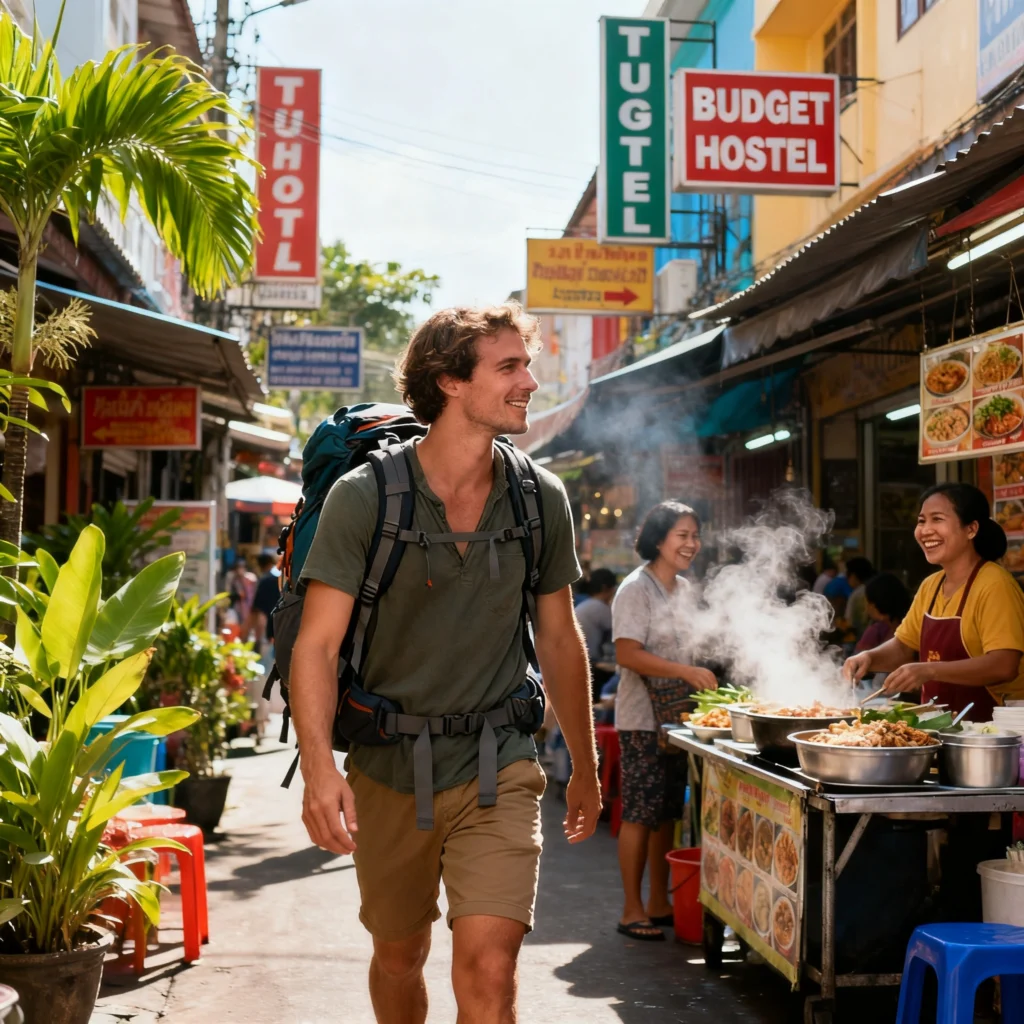
These field-tested tricks will keep your Southeast Asia backpacking trip on track.
- Use night trains and buses – A sleeper bus from Bangkok to Chiang Mai costs $10 and saves one night’s accommodation. Bring earplugs and a sarong (it doubles as a blanket).
- Share SIM cards? No, but share tours – Gather four travelers from your hostel lobby to split private boat or tuk-tuk charters. In Siem Reap, a private car to Angkor Wat for sunrise costs 20$ total, but split four ways=5$ each.
- Carry a power bank and a universal adapter – Outlets in Laos and Vietnam can be loose. Also, many budget guesthouses have only one socket per room.
- Use local banking apps – In Thailand, open a free TrueMoney Wallet or use the “PromptPay” system via a local SIM. You can pay at 7-Eleven and some street stalls without cash.
- Pack a reusable bag and a clothesline – Tote bags help avoid plastic bag fees (and reduce waste). A 2 clothesline lets you hand-wash underwear and socks, saving on laundry services (2$–3$ per kg).
Mistakes to avoid
- Flying between nearby cities – A flight from Hanoi to Vientiane might be 70$, but an over night bus is 25$ and gets you there by morning. Only fly when crossing countries with difficult land borders (like Thailand to Myanmar, but that’s less common now).
- Pre-booking everything – In low season, you can walk into guesthouses and negotiate 20–30% lower than online prices. Booking.com shows you the average; then you haggle face-to-face.
- Not having a buffer for emergencies – Even in cheap places in Southeast Asia, things go wrong: a motorbike tire puncture (5$ fix), or a stomach bug (rehydration salts 1$). Keep $100 emergency cash separate from your main wallet.
Frequently Asked Questions
1. Is $30 a day enough for Southeast Asia?
Yes, for most affordable destinations in Southeast Asia like Vietnam, Cambodia, Laos, and parts of Thailand. 30$/day covers a hostel dormor private fan room, three street meals, local transport, and one paid attraction (e.g.,a temple or museum).In Singapore, you’d need 70$+.
2. Which is the absolute cheapest country for backpacking?
Cambodia consistently tops the list. You can survive on $15–20 per day if you skip Angkor Wat (or spread the pass cost over several days). Laos is a close second, but transportation there is a bit pricier due to limited routes.
3. When is the best time for budget travel in Southeast Asia?
The rainy season (May to October). Yes, you’ll get daily showers, but they usually last an hour or two. Prices for accommodation and tours drop by 30–50%. Shoulder months (April and November) also offer good deals with less rain. Avoid December–January and July–August (European summer holidays).
4. Is solo Southeast Asia backpacking safe for beginners?
Absolutely. The region is very safe for solo travelers—including women. Hostels often organize group dinners or tours, making it easy to meet people. Use common sense: don’t walk alone down dark alleys at 2 AM, keep valuables in a locker, and trust your gut. The biggest risks are minor scams (overcharging tuk-tuks) and food poisoning (choose busy stalls).
Conclusion
You don’t need to be rich to travel well. Southeast Asia remains one of the last corners of the planet where affordable destinations in Southeast Asia actually feel luxurious on a shoestring. From the floating villages of Tonle Sap to the limestone karsts of Railay Beach, every dollar you spend brings you closer to unforgettable moments.
Remember the core principles: eat street food, stay in guesthouses or hostels, travel overland when possible, and always carry small bills for negotiation. Embrace the unexpected—a wrong turn might lead to the best $2 meal of your life.
Now it’s your turn. Pick one destination from this list, book a refundable flight (just in case), and start packing light. The temples, beaches, and smiling locals are waiting. And your bank account? It’ll thank you later.
Have you been to any of these spots? Or do you have a secret affordable gem to share? Drop a comment below—I’d love to update this list with your recommendations.