
The Ultimate Southeast Asia Bucket List: Paradise Beaches, Ancient Temples & Wild Adventures
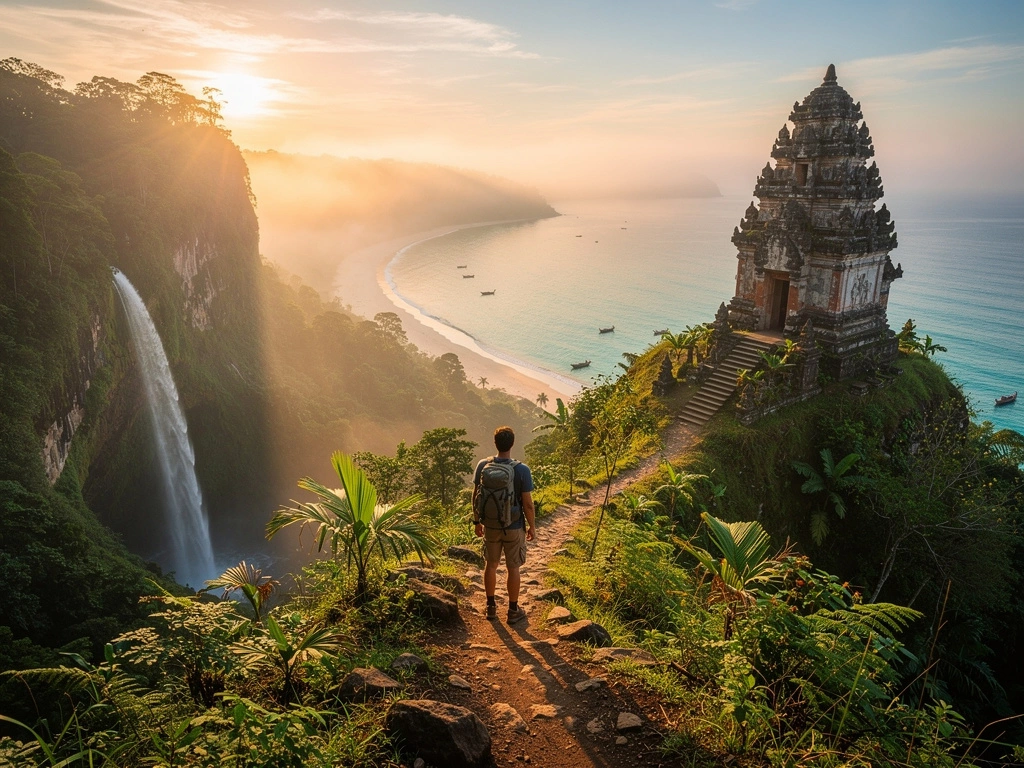
Almost every Southeast Asia bucket list begins with one photo. Turquoise water, a longtail boat, a price tag that seems impossible. Then you open a map and realise the region holds eleven countries, and any single one could swallow a month of your time.
That is the real challenge for backpackers. Not finding things to do, but choosing between them without burning your budget on internal flights and rushed border crossings.
This guide keeps things practical. You will find the beaches worth the ferry ride, the temples worth an early alarm, and the adventures worth saving for. You will also find the mistakes that drain first-timers’ money in week one.
The Best Beaches in Southeast Asia for Backpackers
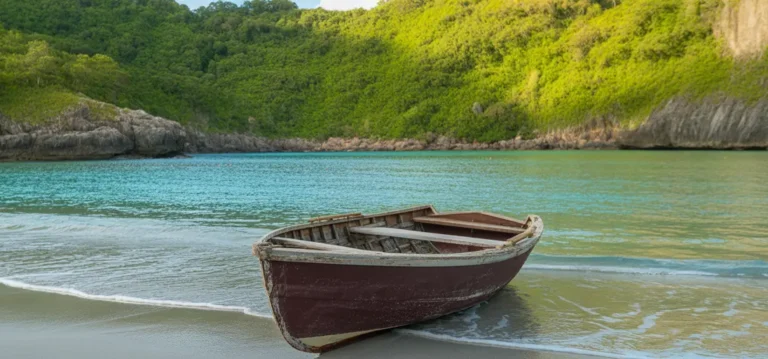
Beaches in Southeast Asia range from party islands to sandbars with no electricity after 10pm. Your budget stretches furthest when you skip the famous name and take the boat one hour further.
Koh Rong Samloem, Cambodia. Its louder sister island gets the crowds, so Samloem stays calm. Beach huts start around $15 to $25 a night in low season. Bring cash, because ATMs are scarce.
Port Barton, Philippines. El Nido is beautiful, though prices climbed fast. Port Barton sits a few hours south and offers similar island hopping for less. Boat tours usually run $20 to $30 per person, shared.
Koh Phayam, Thailand. No traffic lights, no big resorts. You rent a scooter, find a hammock, and stay longer than planned. It works best between November and April.
Nusa Penida, Indonesia. A short ferry from Bali brings dramatic cliffs and manta rays. Go on a weekday. The viewpoints jam up by mid-morning.
Con Dao, Vietnam. Fewer backpackers make it here, which is exactly the appeal. Empty sand, turtles in season, plus a sobering prison museum.
Three tips that save real money
- Travel in shoulder season. May and October often bring half-empty dorms with rain that clears by afternoon.
- Book ferries at the pier, not online. Agencies add a margin of 20% to 40% on many routes.
- Negotiate weekly rates. Guesthouse owners will often drop 25% for a five-night stay, especially outside peak weeks.
Temples in Southeast Asia Worth an Early Alarm
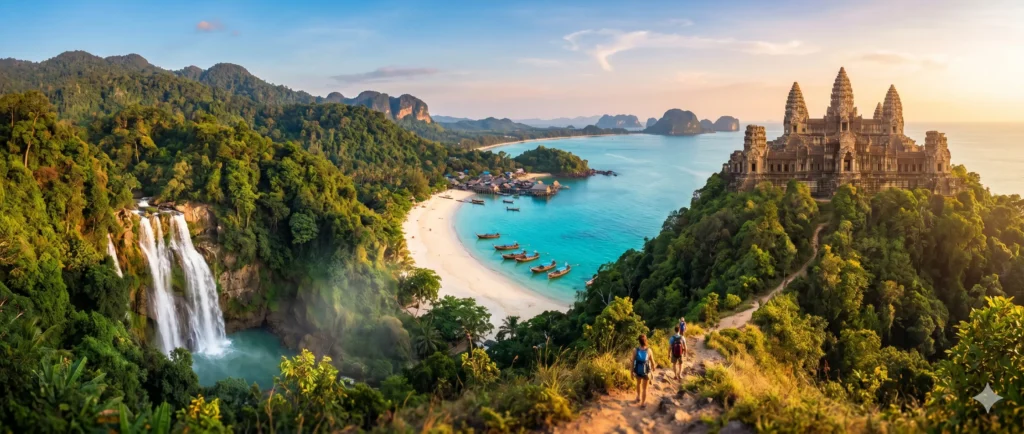
Temples in Southeast Asia are not interchangeable. They span different centuries, religions and empires, and the good ones reward slow visits rather than a checklist sprint.
Angkor, Cambodia. The obvious entry, and still the best. A one-day pass costs roughly $37, while a three-day pass sits near $62. Prices change, so confirm before you arrive. Hire a tuk-tuk driver for the day and start at Ta Prohm instead of Angkor Wat, since the sunrise crowd moves in one predictable direction.
Borobudur and Prambanan, Java. Two giants within a short drive of Yogyakarta. Borobudur limits the number of visitors allowed onto the upper terraces, so book that slot ahead.
Ayutthaya, Thailand. A cheap train ride from Bangkok gets you here for a few dollars. Rent a bicycle at the station and ride between ruins for the afternoon.
My Son, Vietnam. Smaller and quieter than the giants, with Cham towers set in a green valley. Arrive at opening to beat the tour buses from Hoi An.
Luang Prabang, Laos. Dozens of working monasteries sit inside a walkable town. Watch the dawn alms procession from a distance, and never block it for a photo.
Bagan appears on many lists too, but travel advisories for Myanmar remain serious. Check your government’s guidance and your insurance terms before considering it.
Temple etiquette, in short
Cover shoulders and knees at every site. Carry a light sarong, since it doubles as a towel. Remove your shoes where signs ask, and never climb on a Buddha image for a photo. That last one has landed tourists in court more than once.
Adventure Travel in Southeast Asia: Trends, Costs and Expert Tips
Adventure travel Southeast Asia offers is unusually affordable, which is why the region keeps pulling backpackers back. Southeast Asia welcomed an estimated 144 million international visitors in 2025, a 13.4% increase on the previous year. More arrivals means better transport links, and it also means the headline spots feel busier each season.
The regional response is worth knowing about. ASEAN tourism ministers launched a sectoral plan for 2026 to 2030 that pushes quality over raw visitor numbers, and developing secondary destinations is a stated way to ease pressure on the primary attractions. In plain terms, the second-tier towns are getting funding. Go there.
Adventures that consistently deliver:
- The Ha Giang Loop, Vietnam. Three or four days of mountain roads near the Chinese border. Easy riders cost roughly $80 to $150 all in, including food and beds.
- Phong Nha caves, Vietnam. Some of the largest caverns on earth. Day trips are affordable, while multi-day expeditions run into the hundreds.
- Diving on Koh Tao, Thailand. Open Water certification typically costs $300 to $400, which remains among the cheapest anywhere.
- Kawah Ijen, Java. A pre-dawn hike to a crater lake and its blue flames. Bring a proper mask, since the sulphur is harsh.
- Mount Rinjani, Lombok. A demanding two or three day trek with a crater camp. Book through an established operator.
Expert tips before you commit
Get an International Driving Permit at home. Most travel insurance voids motorbike claims without one, and clinics in Thailand and Bali treat scooter injuries daily.
Check your policy for altitude limits and diving depths too. Many standard plans stop covering you below 30 metres.
Finally, book the big-ticket adventure early in your trip. Backpackers who leave Rinjani or a dive course until the final week often discover the weather has other plans.
Mistakes to Avoid on Your First Trip
Most budget disasters come from a handful of repeated errors.
Moving too fast. Two nights per stop sounds efficient, yet transport eats your days and your cash. Three weeks across two countries beats three weeks across five.
Ignoring the monsoon calendar. The region does not share one season. Thailand’s west coast and east coast peak at opposite times, so check your specific island rather than the country.
Riding without a licence or helmet. Police checkpoints issue fines, and hospitals issue bills. Neither is a good souvenir.
Booking animal attractions without research. Elephant riding and tiger selfies fund poor welfare standards. Choose observation-only sanctuaries, and be sceptical of any place that lets you touch the animals.
Prebooking the whole route. Flexibility is the point of backpacking. Lock in your first three nights and your flights out, then leave the rest open.
Underestimating entry rules. Several countries want proof of onward travel and a passport valid for six months. Airlines check this at the gate, not the airport door.
Running out of cash on islands. Machines break, and card readers fail. Carry a reserve of local currency before any boat ride.
Frequently Asked Questions
How much does backpacking Southeast Asia cost per day?
Most backpackers spend $30 to $50 a day in Vietnam, Cambodia, Laos and Indonesia. Thailand and Malaysia sit slightly higher, while Singapore will double your daily figure. Add a separate fund for diving courses and internal flights, since those sit outside normal daily spending.
What is the best time to visit Southeast Asia?
November to March suits mainland countries like Thailand, Vietnam and Cambodia. Indonesia and the Philippines follow different patterns, so check the island rather than the region. Shoulder months bring lower prices with manageable rain.
How long do I need for a Southeast Asia bucket list trip?
Four weeks covers two countries at a comfortable pace. Eight to twelve weeks lets you combine beaches, temples and a serious trek without rushing. Anything under two weeks works better as a single-country trip.
Is Southeast Asia safe for solo backpackers?
Generally yes, and solo travel here is common. Petty theft and scooter accidents cause more trouble than crime against tourists. Use a padlock in dorms, agree on taxi fares upfront, and keep a digital copy of your passport.
Start Building Your Route
A strong Southeast Asia bucket list balances three things. Beaches for the recovery days, temples for the mornings you drag yourself out of bed, and one adventure that scares you slightly.
Pick two countries. Choose one island, one temple complex, and one challenge. Then leave gaps in the plan, because the best recommendations come from the person on the next bunk.
Ready to start? Sketch your first four weeks this week, check the monsoon dates for your chosen islands, and book only your opening nights. The rest will sort itself out on the road.